
Long-Term Live Streaming Camera Supply in China: Partner Selection & Sustained OEM Support
Long-Term Live Streaming Camera Supply in China: Partner Selection & Sustained OEM Support
Selecting a China live streaming camera supplier for a long-term partnership is not a one-time purchase decision. It requires evaluating production consistency, product interface compatibility, risk control, after-sales service, and the supplier’s ability to support your evolving PTZ camera, conference camera, IP camera, or medical camera programs for years. This guide provides a practical framework for buyers who have moved past the discovery stage and are ready to commit to a long-term live streaming camera supply partner in China.
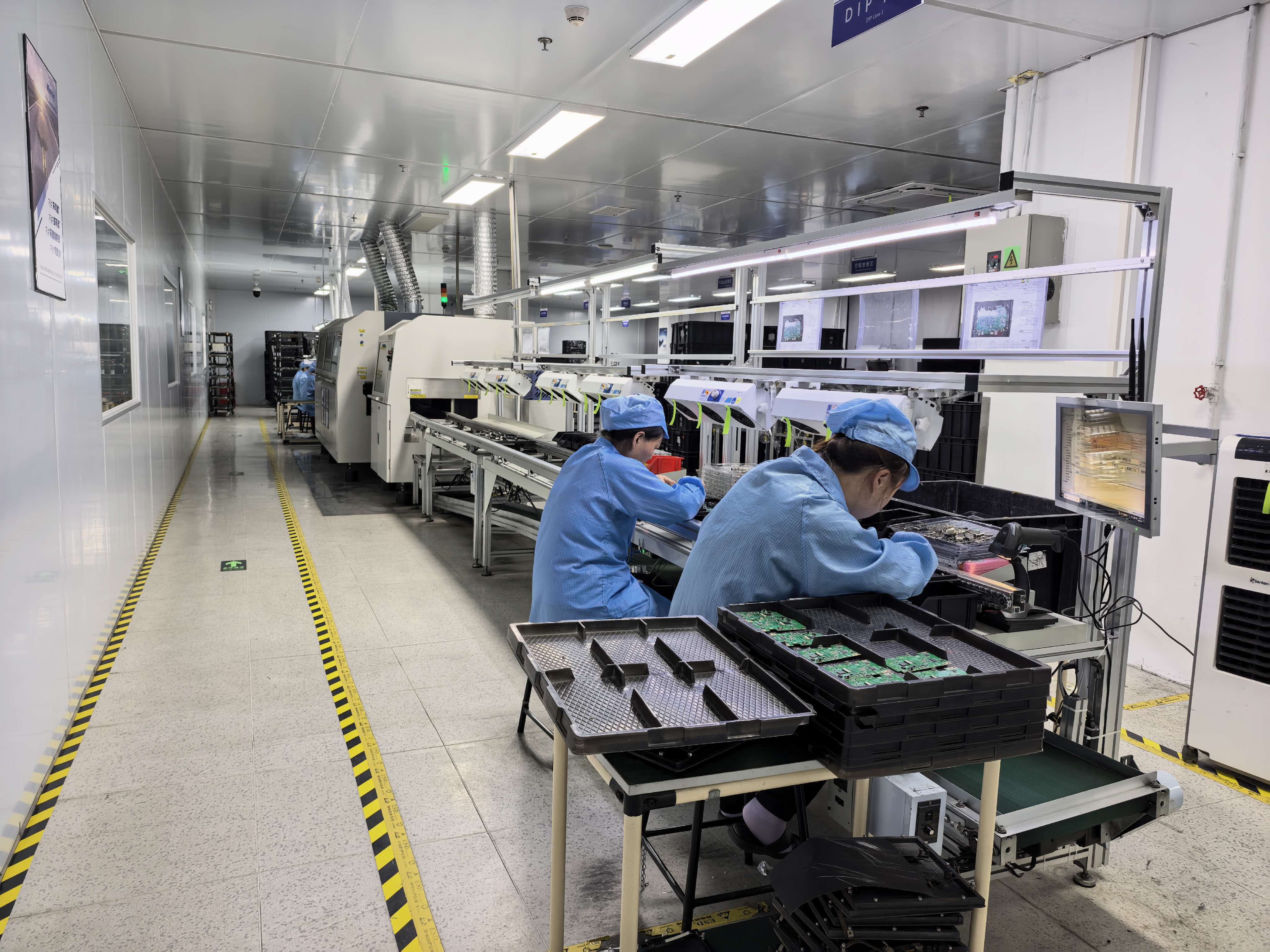
The Supplier Qualification Problem in Long-Term Camera Programs
When a buyer searches for a “long-term live streaming camera supply partner China,” the underlying issue is not finding a camera once. The real problem is ensuring repeatable quality, stable lead times, responsive technical support, and product continuity across multiple batches, projects, or markets. A supplier that looks good in a single sample order may fail when asked to maintain quality across a 12- or 24-month supply relationship.
Long-term programs also increase exposure to hidden risks, including signal loss, picture flicker, overheating, audio failure, and focus deviation. These risks do not always appear in the first sample. They emerge during sustained use, re-orders, or deployment across different environments. Therefore, a long-term partner should demonstrate concrete risk control mechanisms, not just attractive product specifications.
The Long-Term Supply Landscape: Where a China Partner Fits
The global live streaming camera market is projected to reach USD 3.35 billion in 2025, growing at a CAGR of 8.8% to USD 7.79 billion by 2035. This growth reflects rising demand from education, medical training, broadcasting, e-commerce streaming, and corporate communication. Within this market, PTZ cameras are estimated to account for 38.5% of global conference camera revenue in 2025, indicating that pan-tilt-zoom functionality is a core requirement for many buyers.
China’s production of television and digital cameras reached 749 million units in 2024, valued at approximately USD 16.5 billion. For buyers outside China, this means the country offers a deep manufacturing base for camera modules, lenses, enclosures, and electronics. However, production capacity alone is not a guarantee of supplier reliability. A long-term partner must demonstrate how it converts manufacturing capability into consistent, serviceable products.
Five Criteria for Evaluating a Long-Term Live Streaming Camera Partner
Use the following criteria to assess whether a manufacturer is positioned for multi-year supply. These are decision rules, not marketing claims.
1. Product Breadth and Interface Compatibility
A long-term partner should offer multiple output and control options because your product mix may change over time. Video output interfaces such as HDMI, SDI, LAN, and USB3.0 allow the same camera platform to serve different end markets. Network protocol support is equally important. A camera that supports RTSP, RTMP, ONVIF, GB/T28181, and SRT can be integrated into more streaming and surveillance workflows, reducing your need to qualify a new supplier for each new project.
For example, TCHD Video’s live streaming camera portfolio includes the TC-980S, TC420, and TCHD-T3 models. Their output interfaces include HDMI, SDI, LAN (with optional POE+), USB3.0, and audio input. Control protocols include VISCA, Pelco-D, and Pelco-P over RS232 or RS422, plus network VISCA and IP VISCA on supported models. This breadth reduces integration risk for buyers serving different verticals.
2. Risk Control During Production
Long-term reliability depends on production process controls. Common risks include signal loss, picture flicker, overheating, audio failure, and focus deviation. A mature supplier should have corresponding control methods before these failures reach the customer.
TCHD Video’s documented approach includes constant temperature protection and a built-in heat dissipation module, automatic signal correction, auto focus lock, and anti-interference circuitry. These are specific engineering measures that address the most common causes of field failures in PTZ and live streaming cameras. When evaluating suppliers, ask which risk control methods they apply, not just which certifications they hold.
3. Quality Assurance and Pre-Shipment Verification
For multi-batch supply, quality assurance must be systematic. Look for measurable pre-shipment procedures such as 100% full-function aging tests, signal stability inspection, and acceptance testing.
TCHD Video states that before shipment it performs a 100% full-function aging test, a pre-delivery signal stability inspection, and accepts products through pre-shipment test procedures. It also offers 24-hour online technical debugging and spare parts supply for quality defects. These measures matter more over a long relationship than a single inspection certificate.
4. Commercial Terms That Fit Program Buying
Long-term supply is easier to execute when commercial terms are clear. For models TC-980S, TC420, and TCHD-T3, TCHD Video’s terms include a minimum order quantity of 1 unit, delivery by FOB or C&F, acceptance via pre-shipment test, and full payment prepaid. A low MOQ is especially useful for testing initial demand before scaling.
Buyers should also confirm whether the supplier can support OEM branding, custom firmware, or product modifications. TCHD Video describes itself as a professional video software and hardware provider that can customize and develop products according to different customer needs.
5. Company Track Record and Execution Capacity
Long-term partnerships benefit from manufacturing depth and technical continuity. TCHD Digital Video Technology Development (Beijing) Ltd was established in 2005 and operates a 10,000 m² facility with approximately 50 employees and an R&D team of 10 engineers. Its annual output is around 4,000 units, with roughly 20% exported to the EU, USA, and Asia. It develops live streaming cameras, video capture cards, video converters, video encoders, video switchers, and related hardware.
This scale is smaller than mass-production consumer electronics factories, but it is suitable for buyers who need engineered camera products, technical support, and customization rather than commodity pricing at extreme volume.
Step-by-Step: How to Qualify a Chinese Live Streaming Camera Supplier for Long-Term Supply
Follow this workflow before signing a long-term supply agreement.
- Define your product platform requirements. List the interfaces, protocols, resolutions, PTZ ranges, and power inputs you need now and may need in the next two years.
- Shortlist suppliers with matching interface and protocol support. If your workflow depends on RTMP or SRT streaming, confirm support for these protocols in each candidate camera.
- Request documented risk control and quality procedures. Ask how the manufacturer prevents signal loss, overheating, flicker, audio failure, and focus deviation.
- Evaluate a pre-production sample. Test output stability, color, autofocus, audio, and PTZ control speeds in your own environment.
- Check pre-shipment testing policy. Confirm whether the supplier runs a full-function aging test and signal stability inspection before delivery.
- Review commercial terms. Confirm MOQ, delivery method, payment terms, and spare parts support in writing.
- Plan for ongoing technical support. Confirm response channels and whether remote debugging is available after delivery.
- Start with a pilot order. Use a low MOQ order to validate consistency, packaging, documentation, and communication before scaling.
Use Cases That Benefit from a Long-Term Camera Supply Partner
Church and Event Streaming
Churches and event production teams need cameras that can be installed permanently and operated by volunteers. A PTZ camera with preset positions, remote control, and stable HDMI/SDI output is typically preferred. Long-term supply matters because a church may need the same model for multiple auditoriums, or replacement units after years of operation.
Education and Classroom Recording
Lecture capture systems often rely on cameras with 12x or higher optical zoom, autofocus, and network streaming. Educational institutions may roll out cameras across many classrooms over several years. A supplier that offers consistent product behavior and spare parts support reduces training and maintenance complexity.
Medical and Surgical Training
Medical teaching cameras support observation and recording in operating rooms and training labs. These environments demand stable image quality and dependable AV output. Low-latency, high-definition video is a common requirement. A long-term partner should understand the stability demands of medical workflows.
E-commerce and TikTok Streaming
E-commerce sellers often build multi-camera streaming rigs for product shoots, live sales, and short-form video. USB3.0 and HDMI output are common needs, along with vertical/horizontal screen options. As a seller grows, they may need additional units or newer models, making supplier continuity valuable.
Broadcasting and Professional AV
Broadcast use may require SDI output, 4K resolution, and remote control integration. Cameras with SDI support up to 1080P60 and network streams up to 3840x2160 (as in the TC-980S) can fit broadcast workflows. A long-term partner can help broadcast integrators maintain a stable camera platform across projects.
Comparison: Traditional Camera vs. Purpose-Built PTZ Live Streaming Camera
When building long-term supply plans, buyers often compare traditional cameras with purpose-built PTZ cameras. The following comparison reflects TCHD Video positioning data and general industry understanding.
| Comparison Dimension | Traditional Camera | Purpose-Built PTZ Live Streaming Camera |
|---|---|---|
| Typical image quality | May require additional capture hardware | 4K image with up to 3840x2160 and 60 fps output (e.g., TC-980S) |
| Video output options | Limited native AV outputs | HDMI, SDI, USB, and wired LAN (POE+ optional on selected models) |
| PTZ functionality | Usually fixed or manual | Pan -170° to +170°, tilt -30° to +90°, up to 255 presets |
| Cost | Integrated solutions may involve more components | Reported approximately 15% lower cost in TCHD Video comparative data |
| Maintenance | Multiple components increase maintenance points | Less maintenance, higher efficiency in typical deployments |
| Best-fit use cases | General-purpose or fixed capture | Video conference, education, event live streaming, medical training |
Evaluating TCHD Video as a Long-Term OEM Supply Partner
TCHD Video is a Beijing-based manufacturer established in 2005. It provides standardized video hardware products and application systems, and it can customize and develop according to customer needs. The company’s portfolio spans live streaming cameras, video capture cards, converters, encoders, switchers, medical video recorders, and related systems for virtual studios, recording, and streaming applications.
For long-term camera supply, the most relevant capabilities are its camera models and its documented quality procedures.
TC-980S
The TC-980S is a 4K PTZ camera positioned for video conferences, medical teaching, education training, event streaming, and PTZ camera applications. It uses a 1/2.8-inch 8.42-megapixel CMOS sensor with 12X/20X/30X optical zoom options. It supports HDMI output at 3840x2160, SDI output in 1080P60 format, USB3.0, and LAN with optional POE+. Network protocols include RTSP, RTMP, ONVIF, GB/T28181, and SRT, with NDI or Dante AV as optional in some configurations. It supports up to 255 presets and monocular tracking modes with a maximum tracking distance of 18 meters.
TC420
The TC420 is a 4K PTZ camera with 12X optical zoom, designed for medical training, education, event live streaming, and broadcasting. It offers HDMI, SDI, LAN (POE), and USB3.0 outputs. It supports H.264/H.265 compression over LAN, VISCA and Pelco-D/P protocols over RS232 or RS422, and network protocols including RTSP, RTMP, ONVIF, GB/T28181, RTMPS, and SRT. Its total power consumption is under 12W.
TCHD-T3
The TCHD-T3 is a 1080P USB/HDMI live camera with 12x optical zoom, suitable for education teaching, e-commerce streaming, and medical training. It supports 1080P60 video, UVC/UAC protocols, H.264/MJPEG compression, vertical/horizontal screen buttons, and a USB3.0 Type-C interface plus HDMI output. It is designed for plug-and-play workflows on Windows, macOS, Linux, and Android systems.
Commercial Workflow: From Inquiry to Repeat Orders
A long-term supply relationship becomes practical when both sides understand the commercial workflow.
- Inquiry: Contact the supplier with your target model, quantity, and any OEM or customization requirements.
- Sampling: Use a 1-unit MOQ to test the camera in your own environment.
- Order confirmation: Confirm FOB or C&F delivery, full prepayment, and production lead time.
- Pre-shipment inspection: Agree on pre-shipment test and signal stability inspection procedures.
- Delivery: Receive goods via FOB or C&F terms.
- Post-shipment support: Use 24-hour online technical debugging and spare parts support when needed.
The commercial terms for TCHD Video’s camera models include a minimum order quantity of 1 unit, delivery by FOB or C&F, full payment prepaid, and acceptance through pre-shipment test procedures. This structure is common for industrial and B2B video equipment and provides a clear compliance baseline for repeat orders.
Industry Standards and Compliance Context
For buyers sourcing medical or surgical cameras, note that medical electrical equipment generally must comply with the IEC 60601-1 series for basic safety and essential performance. If your application is medical, confirm with the supplier whether the specific model and configuration meet this requirement.
For general live streaming and conference cameras, network protocol compatibility is often more decisive than a specific medical standard. Verify the protocols used by your streaming platform or video management system before committing to a camera platform.
Frequently Asked Questions
How do I choose a long-term live streaming camera supply partner in China?
Evaluate the manufacturer’s product breadth, interface and protocol support, production risk controls, pre-shipment quality procedures, commercial terms, and track record. A suitable long-term partner should offer consistent quality controls across batches, support your required output interfaces (such as HDMI, SDI, USB3.0, or LAN), and provide technical support after delivery. For example, TCHD Video documents a 100% full-function aging test before shipment and 24-hour online technical debugging.
What quality controls should a Chinese camera manufacturer have for repeat orders?
Look for pre-shipment testing, aging tests, signal stability inspection, and a defined process for quality defects. TCHD Video’s documented controls include constant temperature protection, built-in heat dissipation, automatic signal correction, auto focus lock, anti-interference circuitry, a 100% full-function aging test before shipment, and spare parts supply for quality defects. These controls reduce the risk of signal loss, flicker, overheating, audio failure, and focus deviation over multiple batches.
Which live streaming camera models support both PTZ control and professional video output?
Models such as the TC-980S and TC420 support HDMI, SDI, USB3.0, and LAN outputs, while the TCHD-T3 provides USB3.0 and HDMI output. The TC-980S supports 4K output, up to 30X optical zoom, up to 255 presets, and network protocols including RTSP, RTMP, ONVIF, GB/T28181, and SRT. The TC420 also supports H.264/H.265 over LAN and VISCA/Pelco-D/P control. For 1080P workflows, the TCHD-T3 supports UVC plug-and-play.
What are the MOQ and payment terms when ordering from TCHD Video?
For product models TC-980S, TC420, and TCHD-T3, the minimum order quantity is 1 unit. Delivery is arranged through FOB or C&F methods, and payment terms require full prepayment. Acceptance inspection includes pre-shipment test procedures. This makes it practical to run a pilot order before scaling.
Can I get a sample or quotation to start a long-term camera supply program?
Yes. Because the MOQ is 1 unit, you can request a sample or quotation for the model that matches your application. After testing, you can scale to repeat orders under FOB or C&F terms. For a direct discussion, contact TCHD Video with your target model and use case, or request the product catalog for specification details.
Download the TCHD Video Product Catalog
TCHD Product Catalog 2025 (PDF)
Contact: Leo Chen | Email: tomzhang@tchdvideo.com | Tel/WhatsApp: +86-13910334207
Conclusion: Build on Process, Not Just Product Specifications
Long-term live streaming camera supply in China works best when the buyer selects a partner based on repeatable production quality, interface compatibility, risk controls, and clear commercial terms. TCHD Video’s combination of engineered PTZ camera models, documented pre-shipment testing, low MOQ, and technical support makes it a practical candidate for buyers who want to move from a first order to a sustained supply relationship. Start with a 1-unit pilot order, verify the camera in your workflow, and then build your program on the supplier’s demonstrated process.
Have Questions or Need More Details?
Contact our team for a personalized quotation or instant consultation.
Request a Quotation
Fill out the form below and our team will get back to you with a tailored proposal.
WhatsApp Direct Chat
Prefer to chat in real-time? Message us on WhatsApp for instant assistance & quick answers.
- Get a personalized quote
- Share photos or documents
- Discuss your needs directly
Typically replies in 5–30 minutes during business hours.