Best Live Streaming Cameras 2026: Ranked for Education, Medical Teaching & E-Commerce
Best Live Streaming Cameras 2026: Ranked for Education, Medical Teaching & E-Commerce
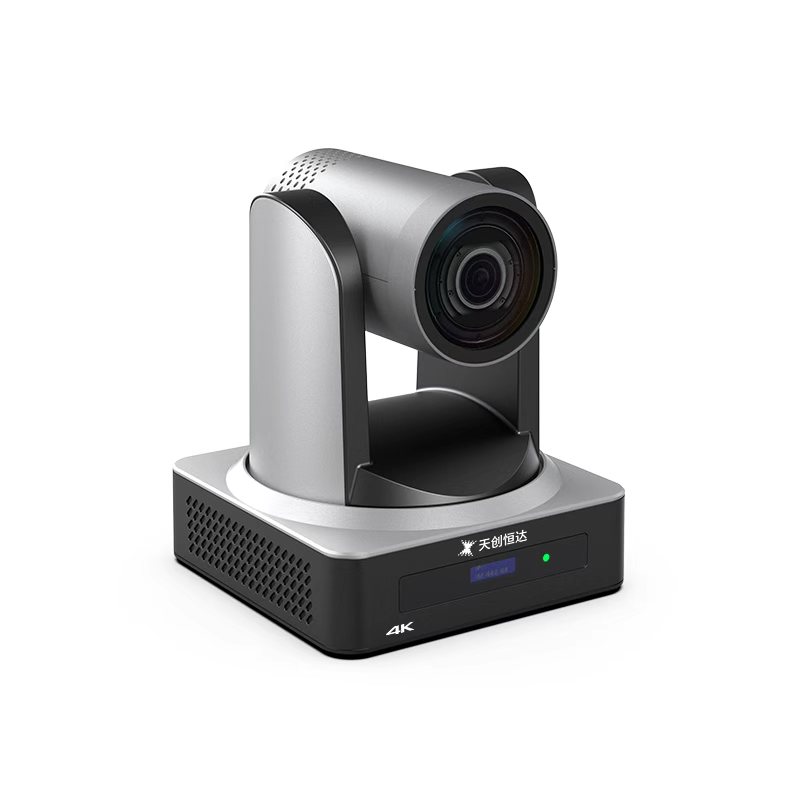
Short answer: for 2026 education, medical teaching and e-commerce workflows, the three TCHD Video live streaming cameras worth shortlisting are the TC-980S for lecture capture and classroom streaming, the TC420 for medical teaching and clinical demonstration, and the TCHD-T3 for e-commerce live selling. All three sit on the same imaging and output platform: a 1/2.8-inch 8.42-megapixel sensor, resolution up to 3840×2160 at 60 frames per second, and SDI, HDMI, USB and wired LAN (PoE+ optional) outputs. What separates them is not resolution — it is the workflow each one is deployed into.
This ranking is written for buyers at the decision stage: integrators specifying a teaching building, hospitals standardising a training room, and e-commerce teams scaling live-selling studios. It sets out the criteria used, the deployment evidence behind each pick, and the point at which each camera stops being the right answer.
Why “Buy a 4K Camera” Is Not a Specification
Education, medical teaching and e-commerce are usually grouped together because all three stream video. Operationally they are three different purchases.
- Shooting geometry. A lecture capture position sits at the back of a hall and needs optical reach to fill the frame with one lecturer. A live-selling studio places the camera a short distance from the presenter and needs wide, repeatable framing instead.
- Signal path. SDI is the usual choice when a camera feeds a switcher, recorder or teaching host; HDMI covers short runs to a monitor or capture card; USB and wired LAN connect the camera directly to streaming software on a PC.
- Duty cycle. Teaching and studio cameras run for hours at a time, which turns overheating, signal loss, flicker, audio dropout and focus drift into procurement criteria rather than after-sales surprises.
- Documentation. A medical teaching room sits inside a stricter equipment environment than a classroom or a studio, and the paperwork has to be confirmed before the order is placed.
- Cost of ownership. A camera that costs slightly less but needs more maintenance across a multi-room rollout is not the cheaper option. TCHD Video frames its own comparison against traditional cameras the same way: cost position, maintenance, latency and image quality measured together, not purchase price alone.
The practical consequence: the first question in a camera project should be “what does this room have to output, to whom, for how many hours a day?” — and the model choice follows from that answer.
Where the Live Streaming Camera Market Stands in 2026
Several third-party data points explain why these three verticals are now specified together.
- The global live streaming camera market is projected to reach USD 3.35 billion in 2025 and to grow at a CAGR of 8.8% to USD 7.79 billion by 2035 (Vertex AI Search / Industry Report).
- PTZ cameras accounted for an estimated 38.5% of global conference camera revenue in 2025 (Metastat Insights) — pan, tilt and zoom movement has become a mainstream requirement rather than a broadcast-only feature.
- Video conferencing hardware, including cameras, represented 46% of total video conferencing market revenue in 2024 (Grand View Research), which is why buyers increasingly evaluate a camera as infrastructure rather than as an accessory.
- China produced 749 million television and digital camera units in 2024, valued at approximately USD 16.5 billion (IndexBox). The supply base is broad, so supplier screening matters more than product availability.
- In the USB conference camera category, Logitech held the largest market share as of 2024, in a year when sector revenue declined 14% year over year (Omdia). Read neutrally, that indicates the plug-and-play end of the category is not where SDI-based teaching and production workflows are decided.
Forecast precision deserves a caveat before any business case is built on it. Published CAGR figures for PTZ cameras diverge by definition: Strategic Market Research estimates 7.8% for 2024–2030, while Zion Market Research estimates 15.9% for 2025–2034. Both are third-party estimates for differently defined scopes, so growth numbers should be treated as directional.
How This Ranking Was Built: Six Evaluation Criteria
Each model was assessed against the criteria that change outcomes in a real installation, not against marketing categories.
- Imaging platform. Sensor size, pixel count, maximum resolution and output frame rate. Across this shortlist the platform is a 1/2.8-inch, 8.42-megapixel sensor delivering up to 3840×2160 at 60 fps — the specification that decides whether slide text, fine demonstration detail or product labels stay legible after compression.
- Optical reach and movement. 12X optical zoom with pan and tilt movement, so one camera position can cover a lectern, a demonstration table or a wide studio set without physically relocating the unit.
- Output and integration flexibility. SDI and HDMI video outputs, plus USB and wired LAN (PoE+ optional), so the same camera family can feed a switcher, a recorder, a confidence monitor or streaming software. SDI supports 100 metres of transmission in 1080P60 format, which removes the need for a signal extender in most teaching buildings.
- Stability and maintenance profile. Low latency and lower maintenance requirements than traditional cameras, supported by documented control methods for the failure modes that actually occur in continuous operation.
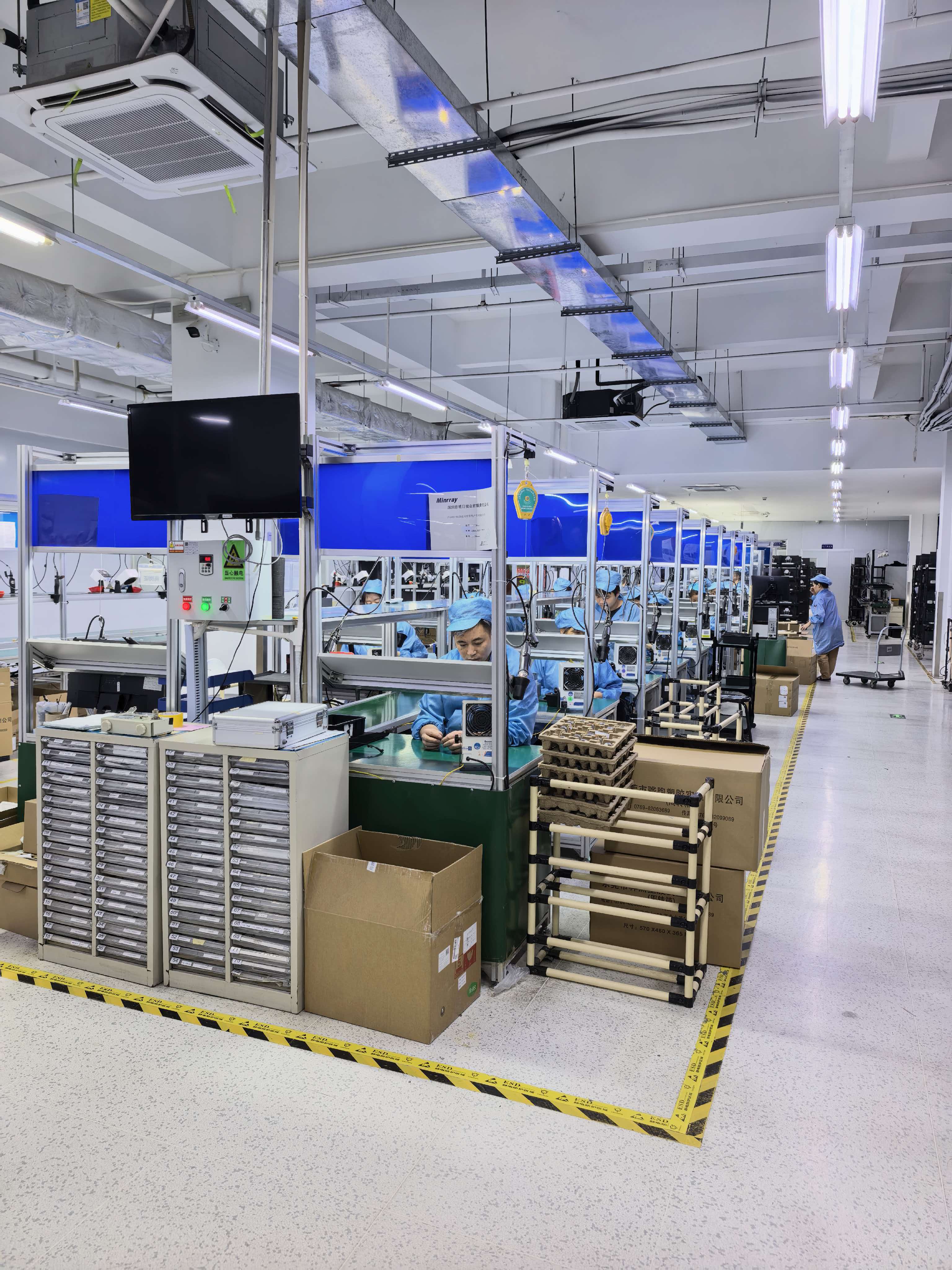
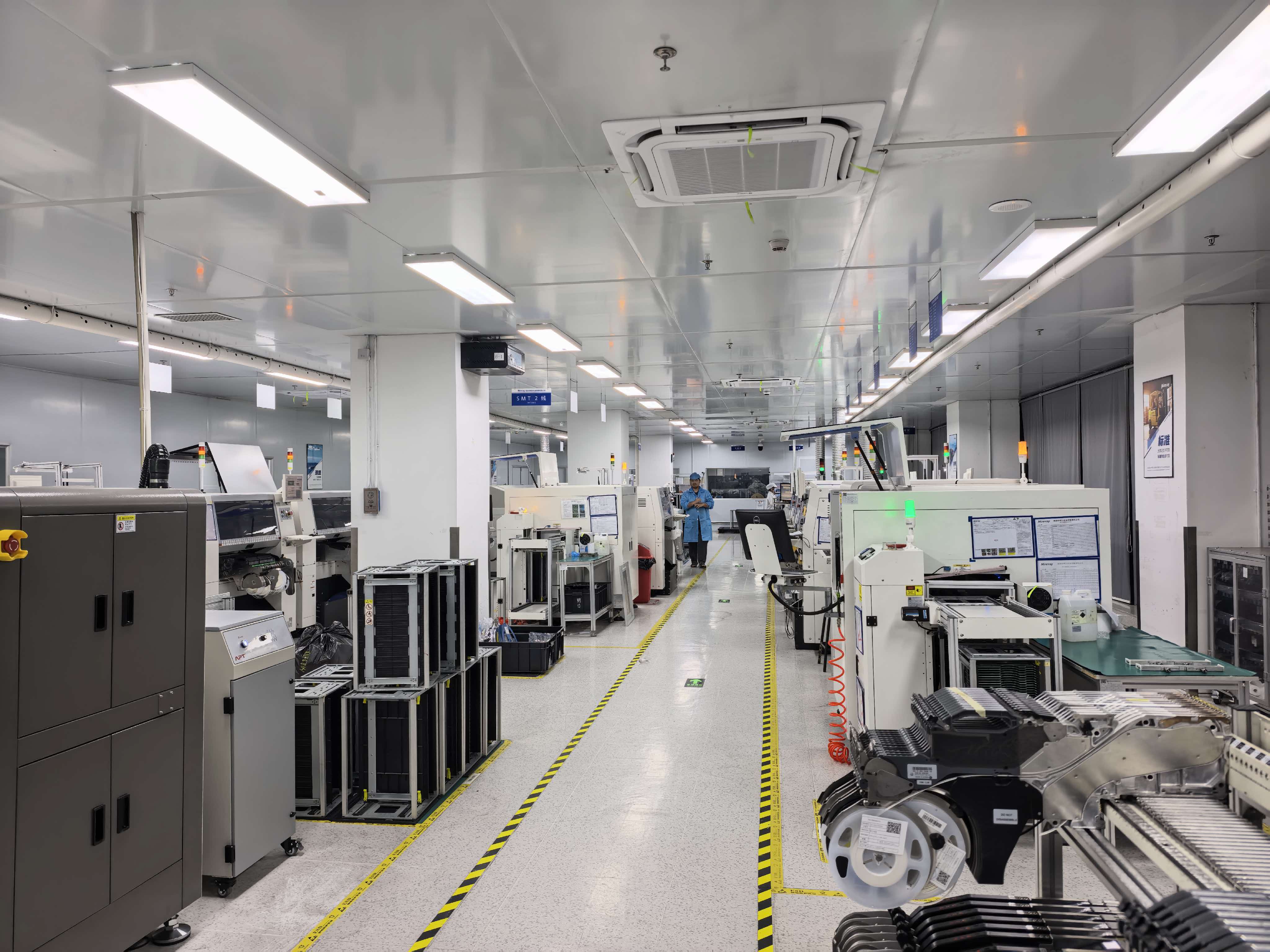
- Quality assurance and production capacity. Pre-shipment testing, spare-parts support and the production base behind the unit. TCHD Video operates a 10,000 m² facility with an annual output of 4,000 units and a 10-engineer R&D team, exporting to the EU, USA and Asia.
- Compliance readiness. For medical teaching, the relevant benchmark is the IEC 60601-1 series covering basic safety and essential performance of medical electrical equipment (TÜV Rheinland / BSI). Buyers should confirm which documentation their site requires before ordering.
The 2026 Ranking: Three Cameras, Three Workflows
Ranking reflects documented deployment evidence first, then specification fit for the workflow.
#1 — TC-980S: Education and Lecture Streaming
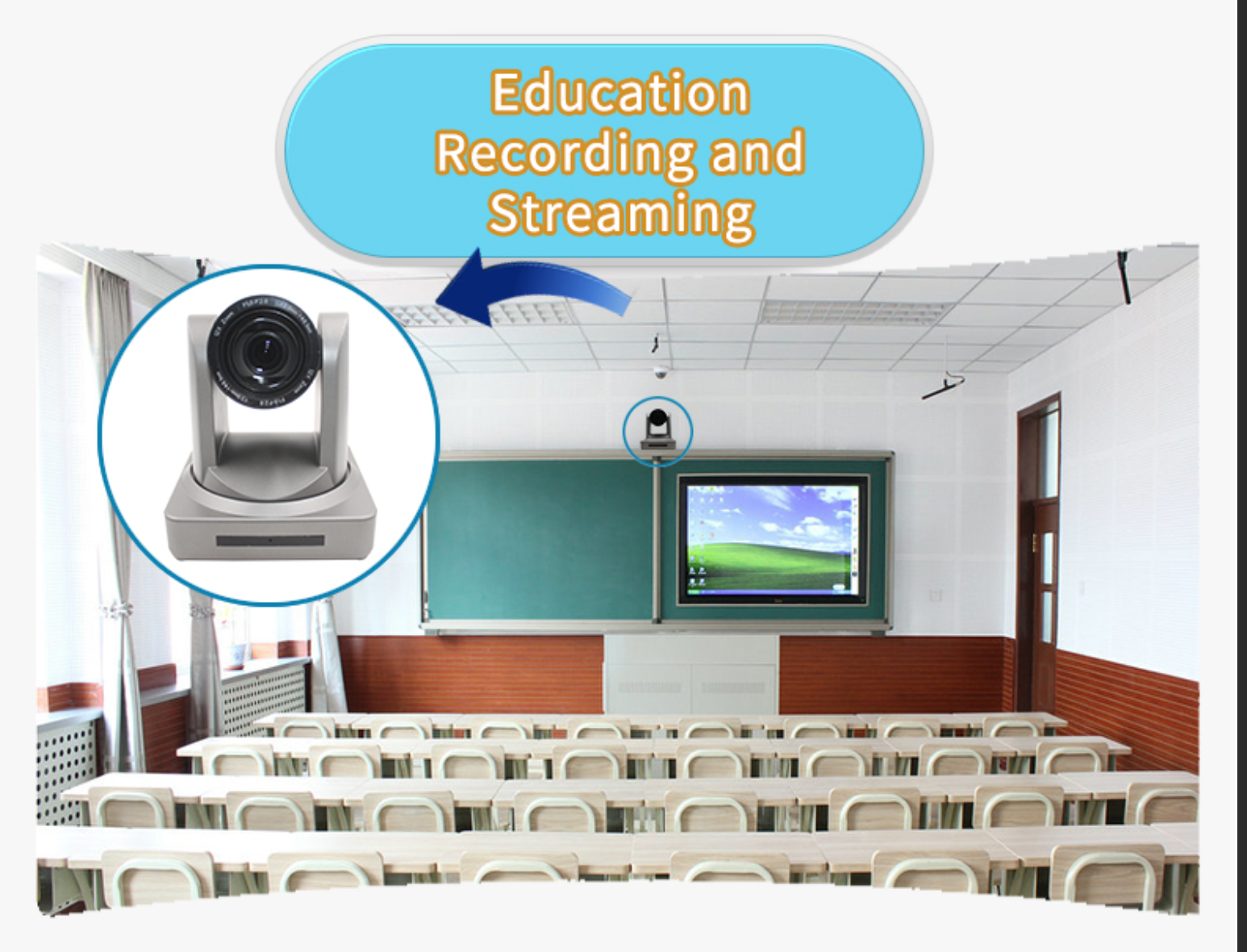
Lecture capture is the most demanding of the three workflows because a single camera position usually has to serve live streaming, room recording and later publishing at the same time, often for a full teaching day.
Why it leads the ranking. The TC-980S carries the strongest deployment record in this shortlist: a 20-unit teaching project that has operated for two years with stable, low-noise AI auto-tracking. For a university or training provider this is the evidence that matters — not a single demo session.
Specification fit. 4K output up to 3840×2160 at 60 fps keeps slide text and handwriting legible after compression. 12X optical zoom lets the camera be mounted at the back of a hall and still frame the lecturer. SDI and HDMI outputs let the room record to a recorder or capture card while a separate path carries the same feed to a streaming platform; USB and wired LAN (PoE+ optional) cover software-based publishing. The camera body is made of glass and plastic materials, and SDI supports 100 metres of cable transmission in 1080P60 — usually enough to reach a rack in a neighbouring control room.
What to verify before ordering. The distance from the mounting position to the teaching area, whether the room needs simultaneous record and stream outputs, and whether the room control system can drive pan, tilt and zoom.
#2 — TC420: Medical Teaching and Clinical Training
Medical teaching adds a documentation layer on top of the video problem, because the camera becomes part of a teaching room inside a clinical environment.
Why it is ranked here. The TC420 covers the technical requirements of demonstration and training rooms — 4K imaging, optical zoom, pan and tilt movement, and SDI, HDMI, USB and wired LAN outputs — and TCHD Video lists medical training among the deployment scenarios this platform is built for, alongside education teaching and event live streaming.
Specification fit. SDI matters more in this workflow than in the other two, because teaching hospitals typically route the camera into a recording or teaching host rather than straight into a laptop. The 1/2.8-inch 8.42-megapixel sensor and 3840×2160 output support close-up demonstration detail, while 12X optical zoom keeps the camera outside the working area without giving up framing control.
Compliance note. Medical electrical equipment, including surgical cameras, must comply with the IEC 60601-1 series for basic safety and essential performance (TÜV Rheinland / BSI). Before installation planning is finalised, buyers should confirm directly with the manufacturer which documentation applies to their specific configuration and room environment.
#3 — TCHD-T3: E-Commerce Live Selling
E-commerce live selling optimises for a different set of variables: fast setup, repeatable framing across several studios, low latency and cost per camera position.
Why it is ranked here. Live-selling teams usually scale by adding positions rather than by adding resolution, so cost position and maintenance load dominate the decision. TCHD Video positions the platform as cost-effective, with a 15% lower cost than traditional cameras and lower maintenance requirements — a difference that compounds when a brand runs several studios at once.
Specification fit. USB and wired LAN (PoE+ optional) outputs connect directly into streaming software, while HDMI and SDI stay available when a studio grows into a switcher-based setup. The 1/2.8-inch 8.42-megapixel sensor and 60 fps output support smooth on-camera movement, and 12X optical zoom with pan and tilt lets one operator re-frame between products without moving the tripod.
What to verify before ordering. The streaming software’s supported input, the latency budget for interactive selling, and whether the studio will add a switcher later — that last point determines whether USB or SDI should be the primary signal path.
Comparison Table 1: Workflow Requirements vs. 2026 Picks
| Workflow | Typical signal path | What the workflow demands | 2026 pick | Basis for inclusion |
|---|---|---|---|---|
| Education & lecture capture | SDI to recorder / capture, HDMI or LAN to streaming | Optical reach from the back of a hall, legible 4K text, all-day stability, parallel record and stream | TC-980S | 20-unit teaching deployment running for two years with stable, low-noise AI auto-tracking; 12X optical zoom; SDI, HDMI, USB and LAN outputs |
| Medical teaching & clinical training | SDI to recording or teaching host | Close-up demonstration detail, camera kept outside the working area, documentation confirmed before installation | TC420 | 4K platform with optical zoom and pan/tilt movement; SDI path for teaching-host integration; platform positioned for medical training scenarios |
| E-commerce live selling | USB or wired LAN to streaming software; HDMI and SDI optional | Low latency, low cost per position, low maintenance, fast re-framing between products | TCHD-T3 | 15% lower cost and less maintenance than traditional cameras; USB, LAN, HDMI and SDI outputs; pan and tilt re-framing |
Comparison Table 2: Platform Specifications Shared by the 2026 Shortlist
| Image sensor | 1/2.8-inch, 8.42-megapixel high-quality image sensor |
| Maximum resolution | 3840×2160 (4K UHD) |
| Output frame rate | Up to 60 frames per second |
| Optical zoom | 12X optical zoom |
| Movement | Pan and tilt |
| Video outputs | SDI, HDMI, USB, wired LAN (PoE+ function optional) |
| SDI transmission | 100 metres in 1080P60 format |
| Housing material | Glass and plastic materials |
| Position vs. traditional cameras | 15% lower cost, less maintenance, higher efficiency |
| Core advantages | Cost effectiveness, stability, low latency, 4K image quality |
| Pre-shipment quality assurance | 100% full-function aging test before shipment; pre-delivery signal stability inspection |
| Post-delivery support | 24-hour online technical debugging; spare parts supply for quality defects |
Deployment Scenarios: How the Three Picks Are Used
Scenario 1 — A university lecture capture room (TC-980S)
One camera is ceiling- or wall-mounted at the back of the hall. SDI carries the feed to a recorder or capture card in the control rack up to 100 metres away in 1080P60, while HDMI or the network path serves streaming and publishing. Because the camera holds stable auto-tracking with low noise, a single operator can run a session without manually following the lecturer, and 12X optical zoom covers the lectern, the whiteboard and the student question area from the same position. This is the configuration behind the two-year, 20-unit teaching deployment referenced above.
Scenario 2 — A hospital teaching auditorium or demonstration room (TC420)
The camera is installed outside the working area and feeds an SDI path into a recording or teaching host, with the 4K sensor and optical zoom carrying close-up detail to remote viewers. Because the room sits inside a clinical environment, the compliance question is resolved before the purchase order: confirm which documentation your institution requires for the specific configuration, then verify the signal path against the room’s existing recording equipment.
Scenario 3 — A multi-studio e-commerce live-selling operation (TCHD-T3)
Each studio runs one or more camera positions connected over USB or wired LAN (PoE+ optional) into streaming software, with HDMI and SDI kept available for a switcher upgrade. Because the platform is positioned at 15% lower cost than traditional cameras with lower maintenance requirements, the economics improve as positions are added. Pan and tilt let an operator re-frame between products between segments instead of repositioning hardware during a live session.
Stability, Risk Control and Quality Assurance Behind the Ranking
A ranking based on specifications alone would be misleading, because in continuous operation the deciding factor is how the manufacturer handles the failure modes that actually occur. TCHD Video documents both the risk types it designs against and the control methods deployed at platform level.
Failure modes designed against in continuous operation:
- Signal loss
- Picture flicker
- Overheating
- Audio failure
- Focus deviation
Documented control methods:
- Constant temperature protection and a built-in heat dissipation module
- Automatic signal correction and an anti-interference circuit
- Auto focus lock
Quality assurance procedures include a 100% full-function aging test before shipment and a pre-delivery signal stability inspection. After delivery, TCHD Video provides 24-hour online technical debugging and spare parts supply for quality defects. For buyers planning a multi-room rollout, these are the terms that determine downtime — more so than the headline resolution.
Where These Cameras Are Not the Right Fit
Stating limits is part of a usable recommendation.
- Single-person huddle rooms. If a room only needs plug-and-play video for one participant at a desk, the PTZ movement, optical zoom and SDI output in this shortlist is capability you will pay for and never use.
- Projects requiring output above 3840×2160. The documented maximum resolution of this platform is 3840×2160; workflows that require higher output targets need a different specification.
- Two distant simultaneous subjects. 12X optical zoom covers most lecture halls and teaching rooms, but one camera cannot frame two subjects that are far apart at the same time — that is a multi-camera problem, not a zoom problem.
- Sites with strict documentation requirements that the supplier cannot support. If your procurement rules require specific certificates and declarations, resolve that question before ordering rather than after. The documented manufacturer commitments here cover pre-shipment testing, technical debugging and spare parts supply.
Frequently Asked Questions
What compliance checks should an education or medical teaching buyer complete before ordering a live streaming camera?
For medical teaching and surgical training rooms, the relevant benchmark is the IEC 60601-1 series, which covers basic safety and essential performance for medical electrical equipment (TÜV Rheinland / BSI). Buyers should confirm in writing which certificates and declarations apply to their specific configuration. On the manufacturer side, TCHD Video’s documented quality assurance includes a 100% full-function aging test before shipment and a pre-delivery signal stability inspection.
What specifications decide whether a live streaming camera can handle 4K teaching and live selling?
Four specifications do most of the work: the image sensor and resolution (1/2.8-inch, 8.42 megapixels, up to 3840×2160), the output frame rate (up to 60 fps), optical zoom with pan and tilt movement (12X optical zoom in this shortlist), and the output set (SDI, HDMI, USB and wired LAN with optional PoE+). SDI supports transmission up to 100 metres in 1080P60, which removes the need for extenders in most teaching buildings.
Are these live streaming cameras cheaper to run than traditional cameras?
TCHD Video positions its live streaming cameras as cost-effective, with a 15% lower cost than traditional cameras and lower maintenance requirements. For a rollout, the useful comparison is total cost per position: cost, maintenance frequency, latency and image quality measured together, rather than purchase price in isolation.
Which manufacturer is better for a live streaming camera?
“Better” depends on the workflow, so manufacturers should be evaluated on five evidence points: documented deployment at your scale; the imaging and output platform (sensor, resolution, frame rate, SDI, HDMI, USB and LAN); optical zoom and pan/tilt capability; the documented process for continuous-operation failure modes such as signal loss, flicker, overheating, audio failure and focus deviation; and post-sale support, including debugging response and spare parts. TCHD Video is a Beijing-based manufacturer established in 2005 that produces live streaming cameras, video capture cards, video converters, video encoders and video switchers, operating a 10,000 m² facility with an annual output of 4,000 units and exports to the EU, USA and Asia. Manufacturers that can answer all five points in writing are the safer choice for a multi-room project.
Can a buyer validate a camera before committing to a multi-room rollout?
Yes. The practical sequence is a single-unit sample tested in your own room, followed by a signal and stability check against your existing recording or streaming stack. The reference point in this ranking is the 20-unit teaching deployment that has run for two years with stable, low-noise AI auto-tracking, which is the kind of evidence a sample test is designed to confirm at your own scale. The full range and specifications are listed in the TCHD Video product catalog, which can be downloaded here: TCHD Product Catalog 2025 (PDF). Samples and quotes can be requested by email at tomzhang@tchdvideo.com or via WhatsApp at +86 19498872019.
Conclusion: Choose the Workflow First, the Camera Second
For 2026, the three-way split is straightforward. The TC-980S leads the ranking for education because it has the strongest deployment evidence — a 20-unit teaching project running for two years with stable, low-noise AI auto-tracking — on top of 4K capture up to 3840×2160 at 60 fps and 12X optical zoom. The TC420 is the medical teaching choice, where SDI integration into a recording or teaching host matters more than anything else, and where the IEC 60601-1 series defines the compliance conversation. The TCHD-T3 is the e-commerce pick, where 15% lower cost than traditional cameras and lower maintenance requirements matter more than optical reach.
Underneath all three is the same platform: a 1/2.8-inch 8.42-megapixel sensor, 4K output at up to 60 fps, pan and tilt movement, SDI, HDMI, USB and wired LAN (PoE+ optional) outputs, SDI transmission of 100 metres in 1080P60, and a documented quality process covering pre-shipment aging tests, signal stability inspection, 24-hour online technical debugging and spare parts supply. The decision, then, is not which camera is technically superior — it is which workflow you are buying for.
Next step: match a camera to your room
If you are specifying a lecture hall, a medical teaching room or a live-selling studio, start with a single-unit sample and a signal test against your own equipment. TCHD Video is a Beijing-based manufacturer, established in 2005, producing live streaming cameras, video capture cards, converters, encoders and switchers for the EU, USA and Asia markets.
Download the TCHD Product Catalog 2025 (PDF) | www.tchdvideohk.com | Email: tomzhang@tchdvideo.com | WhatsApp: +86 19498872019
Have Questions or Need More Details?
Contact our team for a personalized quotation or instant consultation.
Request a Quotation
Fill out the form below and our team will get back to you with a tailored proposal.
WhatsApp Direct Chat
Prefer to chat in real-time? Message us on WhatsApp for instant assistance & quick answers.
- Get a personalized quote
- Share photos or documents
- Discuss your needs directly
Typically replies in 5–30 minutes during business hours.