TCHD-840 Pro vs TCHD-840 Super: HDMI/NDI Hybrid or 12G-SDI Production Switcher?
The TCHD-840 Pro and the TCHD-840 Super are two multi-camera production switchers from TCHD Video, a video hardware manufacturer established in Beijing in 2005. The TCHD-840 Pro accepts 4-channel 4K full-frame-rate HDMI together with NDI hybrid signal input. The TCHD-840 Super is built on baseband: at least 4×12G-SDI inputs compatible with 3G-SDI, or at least 4×HDMI 2.0 inputs, with 2160P60/1080P60 output. Both use an aluminum alloy housing, and both are positioned for multi-camera live production. If your cameras and software sources already output HDMI or NDI, the Pro matches your signal path. If your venue, rack or production truck runs on 12G-SDI coax, the Super matches it.
Why the Input Architecture Decides This Purchase
A production switcher is only as useful as the signals it can accept. The TCHD-840 Pro and the TCHD-840 Super come from the same manufacturer and share the same physical class, but they are wired for different environments. The Pro takes 4 channels of 4K full-frame-rate HDMI together with NDI hybrid input. The Super is built around at least four 12G-SDI inputs compatible with 3G-SDI, or at least four HDMI 2.0 inputs, and it outputs 2160P60 or 1080P60.
Buyers who get this wrong usually find out late. An HDMI-and-NDI studio that buys a baseband-only switcher has to add converters and re-cable the room. A venue with installed 12G-SDI coax that buys a hybrid IP switcher has to rebuild its signal path around network runs and HDMI cable limits. Neither mistake shows up clearly on a datasheet; both show up as extra hardware, extra labour hours, and a longer commissioning window.
Because aluminum alloy housing and multi-camera live production positioning are common to both models, those two facts are baseline rather than deciding factors. The decision belongs to the signal path, the cable plan, and the delivery format — which is exactly the point at which buyers move from evaluation into execution.
What the Production Switcher Market Looks Like as These Decisions Get Made
The global production switcher market was estimated at USD 2,596.79 million in 2025, with growth driven by IP-based broadcasting and multi-camera streaming transitions (Precision Reports, 2026). A broader definition of the video switcher market is projected to reach USD 11.48 billion by 2034, growing at a CAGR of 7.10% from 2026 (Fortune Business Insights, 2026). The distance between those two figures is a scope difference rather than a contradiction: one estimate covers production-specific vision mixers, the other covers video switching equipment more broadly, and published 2025–2026 figures have ranged from roughly USD 1.03 billion to USD 6.63 billion depending on which products are counted.
Two demand currents sit behind the TCHD-840 Pro versus TCHD-840 Super question. The first is the migration of live production toward IP and software sources — the environment the Pro addresses with NDI hybrid input alongside 4-channel 4K HDMI. The second is the durability of baseband: the 12G-SDI standard (SMPTE ST 2082) carries uncompressed 4K video at 60 fps over a single coaxial cable at a data rate of 11.88 Gbps (Samim Group, 2025). Rooms, racks and trucks that were cabled around single-cable coax are the environment the Super addresses.
On the demand side, livestream e-commerce is projected to reach USD 312.35 billion by 2035, with Asia Pacific holding a dominant 66% share as of 2025 (Precedence Research, 2026). That segment keeps pressure on fixed-studio switchers that must mix HDMI cameras with network-based graphics and platform feeds. For importers, video mixing systems or consoles are classified under HS Code 85437062 in various customs jurisdictions (Cybex.in) — a classification point worth confirming with a customs broker before shipment.
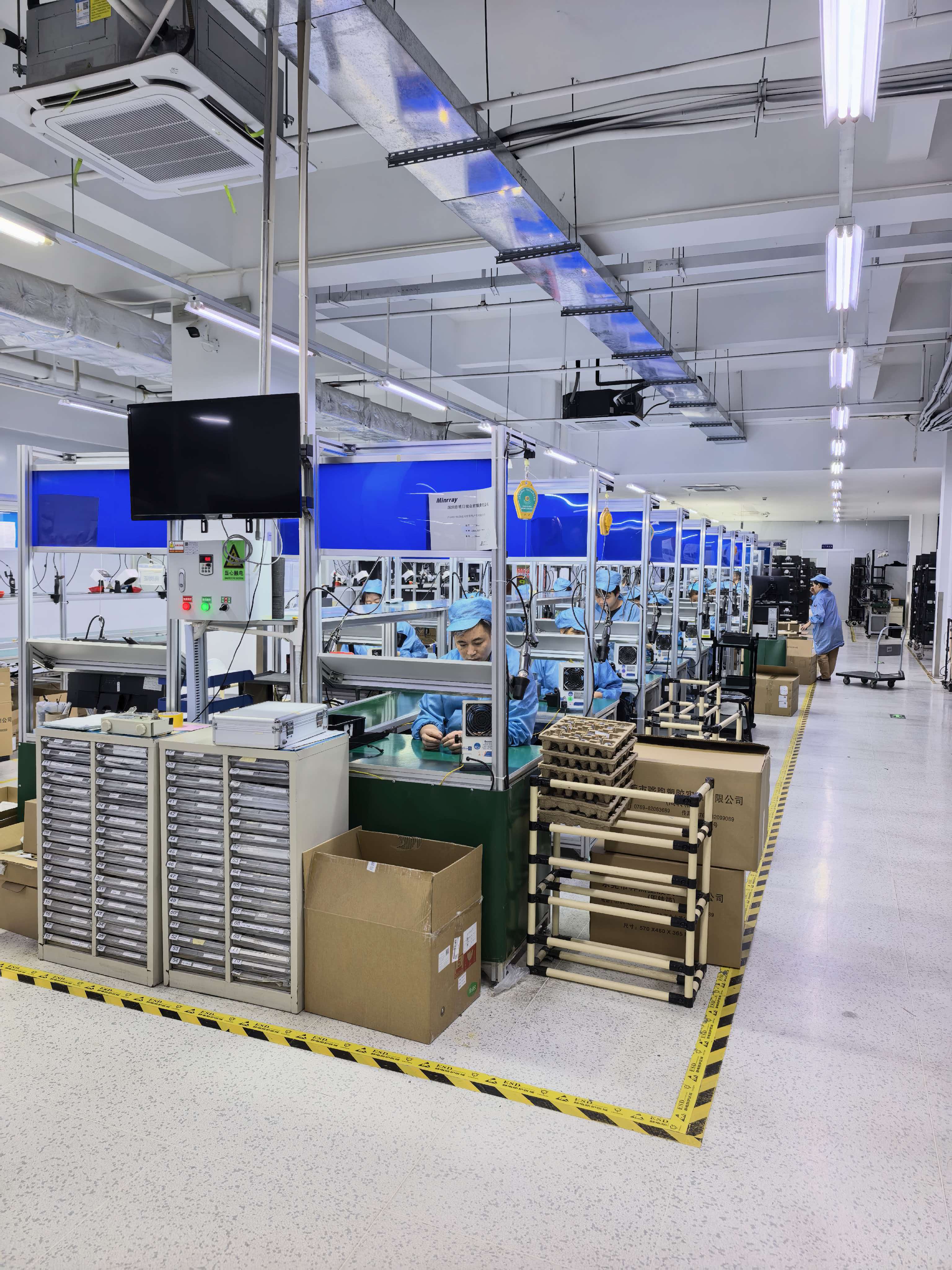
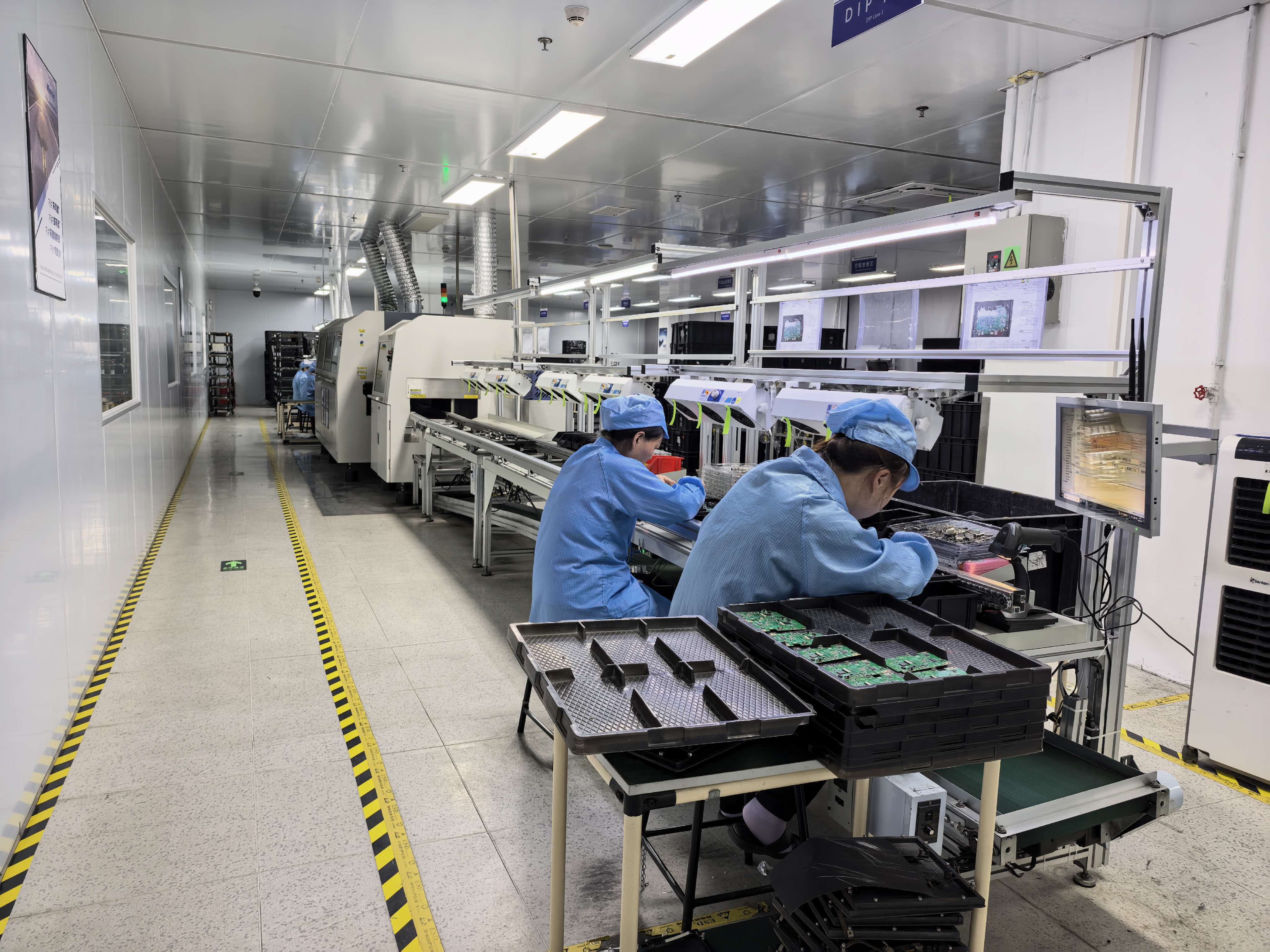
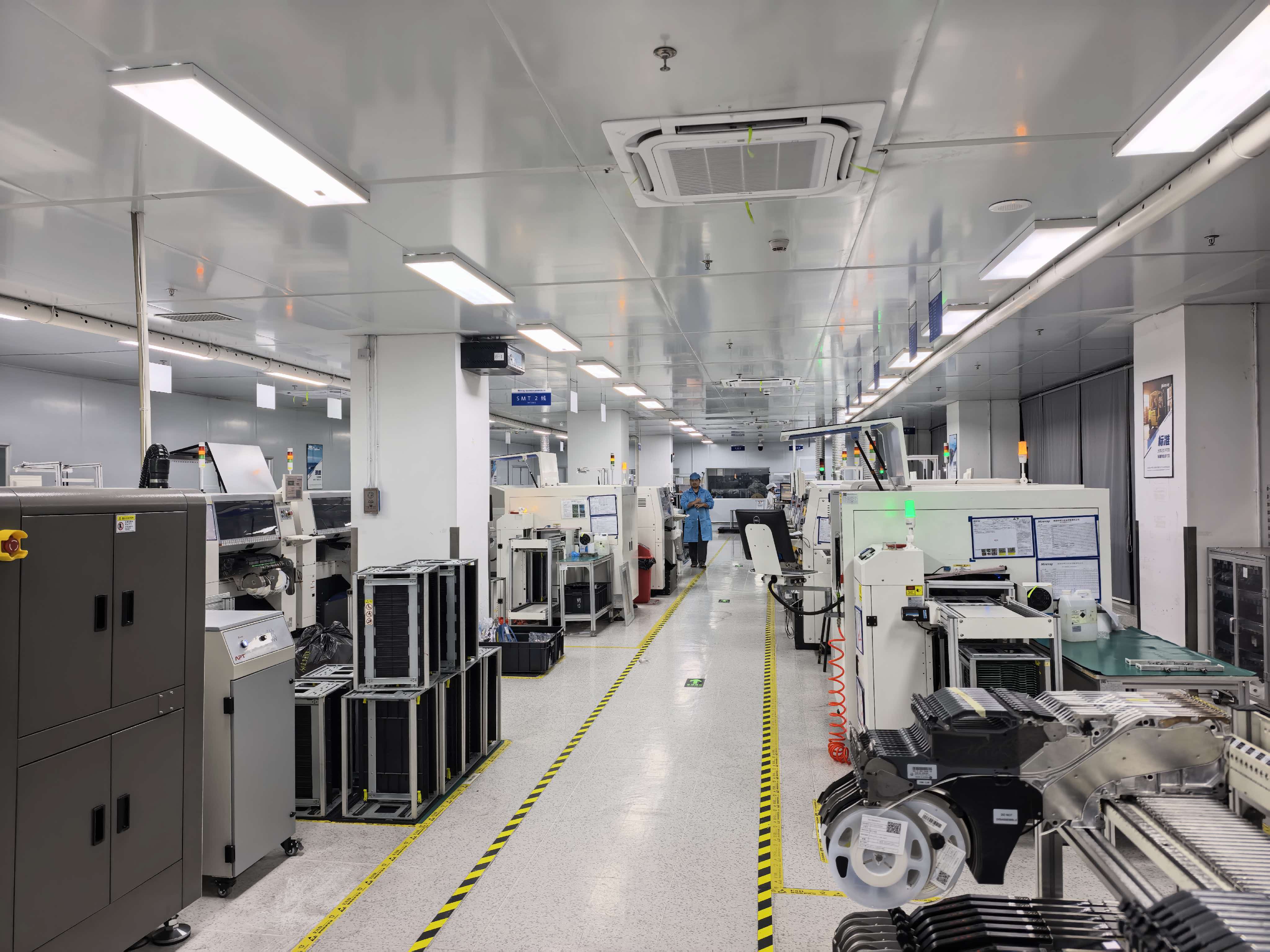
TCHD Video itself was established in 2005 and operates a 10,000 m² factory with 50 employees, an R&D team of 10 engineers, and an annual output of approximately 4,000 units. Around 20% of that output is exported to EU, USA and Asia markets, and the product line spans live streaming cameras, video capture cards, video converters, video encoders and video switchers. Third-party coverage of the company’s high-end switcher family (TCHD-812 Ultra, TCHD-840 Ultra) describes 4K60 support via 12G-SDI or HDMI 2.0 and up to 4 simultaneous platform streaming outputs (EIN Presswire, September 2026). That coverage refers to other model names in the family, not to the two models compared in this guide, and it should be treated as family-level context rather than a specification for the Pro or the Super.
How the TCHD-840 Pro and TCHD-840 Super Actually Differ
TCHD-840 Pro: 4-channel 4K HDMI plus NDI hybrid input
The TCHD-840 Pro is specified with 4-channel 4K full-frame-rate HDMI and NDI hybrid signal input, in an aluminum alloy housing, and is positioned for multi-camera live production. The practical consequence is that one switcher can accept both conventional HDMI camera feeds and NDI sources — a software graphics machine or a network-based replay source, for example — without a separate conversion layer sitting between them.
What the Pro positioning does not settle is the output format chain. Output resolution is not part of the specification set used in this guide, so buyers who must deliver a fixed 2160P60 or 1080P60 target should confirm the exact configuration in writing at quotation stage instead of assuming it.
TCHD-840 Super: 12G-SDI baseband, or HDMI 2.0
The TCHD-840 Super is specified with at least 4×12G-SDI inputs that are compatible with 3G-SDI, or at least 4×HDMI 2.0 inputs, and it outputs 2160P60/1080P60. It shares the aluminum alloy housing and the multi-camera live production positioning with the Pro.
Two operational consequences follow from that input list. First, 3G-SDI compatibility means an existing 1080p camera chain can connect to the same switcher that also accepts 12G-SDI sources, which supports a staged move from HD to 4K60 without replacing the switcher mid-project. Second, because SMPTE ST 2082 defines 12G-SDI as uncompressed 4K at 60 fps over one coaxial cable at 11.88 Gbps, the Super fits sites where single-cable coax is already the installed transport and where long in-venue cable runs are normal.
Shared evidence: aluminum alloy housing and multi-camera positioning
Two facts apply to both units without qualification: the aluminum alloy housing and the multi-camera live production positioning. Because neither is a differentiator, they should be read as the product class both models belong to. A buyer deciding between them will not find the answer in the chassis material; it is found in the port set and the delivery format.
A Six-Step Selection Sequence for Decision-to-Execution Buyers
The sequence below is built for buyers who have already shortlisted TCHD Video and now need to lock a model before purchase orders and site work begin.
- Inventory every camera and source output. Count HDMI feeds, SDI feeds (and which SDI tier), and NDI sources. If HDMI plus NDI dominates the list, the TCHD-840 Pro’s 4-channel 4K HDMI and NDI hybrid input is the closer structural match. If SDI dominates, the TCHD-840 Super’s 12G-SDI and 3G-SDI compatible input path is the closer match.
- Measure the longest physical run in the venue. HDMI and NDI travel under different media and distance constraints than coaxial cable, while 12G-SDI is defined to carry uncompressed 4K60 on a single coaxial cable. Document the longest run and the cable type already installed before committing to either model.
- Fix the delivery format. The Super is specified at 2160P60/1080P60 output. If the delivery specification for the project is UHD 60p or HD 60p, that is a defined match. If the delivery spec sits outside that set, confirm the Pro configuration at quotation stage rather than inferring an output from the input list.
- Count simultaneous deliverables. Multi-platform live stream switcher workflows usually require several outputs running at once. Third-party coverage of TCHD’s high-end switcher models notes up to 4 simultaneous platform streaming outputs; confirm the exact count for the specific 840 variant being purchased.
- Plan the physical installation. Both models use an aluminum alloy housing, so installation planning focuses on the port set chosen in step 1 — rack space, cable entry, power, and the operator position — rather than on chassis material.
- Qualify the supplier for the full service life. This step is identical for both models. Spare parts, firmware updates and supply continuity come from the manufacturer, not from the input architecture, so they should be assessed once and applied to whichever model is selected.
Which Production Fits Which Model
Both switchers serve multi-camera live production. The split below follows signal path and infrastructure, not production size or prestige.
Where the TCHD-840 Pro fits
- E-commerce live stream switcher rooms where HDMI studio cameras run alongside NDI graphics, price cards and platform feeds.
- Church streaming switcher installations that already own HDMI cameras and depend on volunteer operators rather than dedicated engineers.
- Lecture recording switcher and smart classroom switcher projects built on HDMI PTZ cameras with NDI capture for remote participants.
- Conference streaming switcher and campus TV switcher setups where sources change room to room and quick reconfiguration matters more than fixed cabling.
- Virtual studio switcher workflows where software sources are native NDI and graphics engines sit on the same network.
- Vertical portrait live stream switcher and multi-platform live stream switcher builds that combine HDMI cameras with multiple simultaneous platform outputs.
Where the TCHD-840 Super fits
- Sports event switcher and esports tournament switcher positions where cable runs are long and the rack position is fixed.
- Concert & performance stream switcher and entertainment live stream switcher jobs that plug into venue SDI infrastructure and rental inventory.
- Outdoor live stream switcher deployments where a single-cable coax run simplifies rigging and cable management.
- Surgical live-demo switcher and medical training rooms that already standardise on baseband connections.
- Broadcast-grade 12G-SDI switcher and converged media center switcher environments delivering a defined 2160P60 or 1080P60 output.
TCHD-840 Pro vs TCHD-840 Super: Comparison Table
| Decision dimension | TCHD-840 Pro | TCHD-840 Super |
|---|---|---|
| Input architecture | 4-channel 4K full-frame-rate HDMI plus NDI hybrid signal input | At least 4×12G-SDI inputs compatible with 3G-SDI, or at least 4×HDMI 2.0 inputs |
| Output format | Not part of the specification set used in this guide — confirm at configuration | 2160P60 / 1080P60 |
| Housing | Aluminum alloy housing | Aluminum alloy housing |
| Positioning | Multi-camera live production | Multi-camera live production |
| Transport fit | HDMI cabling plus IP/NDI network paths | Single-cable 12G-SDI baseband as defined by SMPTE ST 2082, or HDMI 2.0 |
| Best-fit production profile | Fixed studios, worship rooms, classrooms, e-commerce rooms, virtual studio and software-source workflows | Venue and event production, sports, esports, concerts, outdoor rigs, surgical live-demo, fixed rack installations |
| Pricing | Not published in this guide — request a configuration quote | Not published in this guide — request a configuration quote |
| Long-term support | Identical consideration for both models: spare parts availability, firmware roadmap, and supplier continuity, assessed with the manufacturer before order | |
Frequently Asked Questions
1. Which standard defines 12G-SDI, and how does it relate to the TCHD-840 Super?
12G-SDI is defined by the SMPTE ST 2082 standard, which supports uncompressed 4K video at 60 fps over a single coaxial cable at a data rate of 11.88 Gbps. This is relevant to the TCHD-840 Super because that model is specified with at least 4×12G-SDI inputs compatible with 3G-SDI, so it can sit directly on a baseband chain that follows this standard, while remaining able to accept 3G-SDI sources.
2. What is the practical difference between the TCHD-840 Pro and the TCHD-840 Super?
The difference is the input architecture. The TCHD-840 Pro accepts 4-channel 4K full-frame-rate HDMI and NDI hybrid signal input, which suits productions where HDMI cameras and network-based NDI sources are mixed. The TCHD-840 Super accepts at least 4×12G-SDI inputs compatible with 3G-SDI, or at least 4×HDMI 2.0 inputs, and outputs 2160P60/1080P60, which suits productions already cabled around coaxial baseband. Both share an aluminum alloy housing and multi-camera live production positioning.
3. What drives the cost difference between an HDMI/NDI hybrid switcher build and a 12G-SDI switcher build?
The cost drivers are on the infrastructure side rather than the switcher alone: the cable type and total cable length required, whether existing installed cabling can be reused, the labour needed to re-cable or re-terminate a room, and any conversion hardware that becomes necessary if the switcher and the cameras do not match. No pricing is published in this guide, and no price data was provided in the source material. Buyers working to a fixed budget should request a configuration quote from TCHD Video so the switcher, cabling and accessory costs are quoted together.
4. How can a buyer validate a unit before committing to a full rollout?
Validation follows the same logic as the selection sequence: match the unit against the actual camera mix, the longest cable run, and the delivery format before purchase. Ask TCHD Video directly about sample and evaluation options for the specific model, and test with the real source list rather than a simplified bench setup. The contact person at TCHD Video is Leo Chen, reachable at tomzhang@tchdvideo.com, by phone at +86-13910334207, or through WhatsApp at +86 19498872019.
5. What should buyers check in a long-term production switcher supplier for spare parts and firmware support?
Long-term ownership depends on the supplier rather than the input format, so the same checks apply to both the TCHD-840 Pro and the TCHD-840 Super. First, confirm operating history and manufacturing continuity: TCHD Video was established in 2005 and operates a 10,000 m² factory with 50 employees and approximately 4,000 units of annual output. Second, confirm engineering depth: the company maintains an R&D team of 10 engineers. Third, confirm market presence and export experience: roughly 20% of output is exported to EU, USA and Asia markets. Then put the operational questions in writing — spare parts availability, firmware update scope, and expected service life — so the answers can be compared against other suppliers. You can review the full TCHD Video product catalog before that conversation at TCHD Product Catalog 2025.
Conclusion
The TCHD-840 Pro and the TCHD-840 Super answer the same brief — multi-camera live production in an aluminum alloy housing — from two different signal paths. The TCHD-840 Pro is the match when 4-channel 4K full-frame-rate HDMI and NDI hybrid input mirrors what your cameras and software already produce. The TCHD-840 Super is the match when at least 4×12G-SDI inputs compatible with 3G-SDI, or at least 4×HDMI 2.0 inputs, and a 2160P60/1080P60 output match the infrastructure you already own or plan to install.
Settle the signal path first, then settle the supplier behind the unit. Manufacturing continuity, firmware coverage and spare parts availability are what keep a switcher in service after commissioning — and they matter equally whichever of the two models ends up in the rack.
Next step: request a configuration quote or sample discussion
TCHD Video quotes production switchers per configuration. Send your camera list, longest cable run and delivery format, and ask about sample and evaluation options for the TCHD-840 Pro or the TCHD-840 Super.
Contact: Leo Chen · Email: tomzhang@tchdvideo.com · Tel: +86-13910334207 · WhatsApp: +86 19498872019
Website: www.tchdvideohk.com · Blog: blog.tchdvideohk.com
Address: Room#411, Building#1, Yard#9, Lianqiao 2nd street, Haidian district, Beijing, China
Catalog: Download the TCHD Product Catalog 2025 (PDF)
Have Questions or Need More Details?
Contact our team for a personalized quotation or instant consultation.
Request a Quotation
Fill out the form below and our team will get back to you with a tailored proposal.
WhatsApp Direct Chat
Prefer to chat in real-time? Message us on WhatsApp for instant assistance & quick answers.
- Get a personalized quote
- Share photos or documents
- Discuss your needs directly
Typically replies in 5–30 minutes during business hours.