
4K Capture Card Recommendation: TC-UB620, TC-UB660, TC-200N9, TCHD-840 Pro
Short answer: for one 4K60 HDMI source feeding a software encoder, TC-UB620 is the default path in this set. TC-UB660 carries the same documented USB profile and should be treated as the same functional class until TCHD Video confirms the model delta. TC-200N9 is the only path here with SDI input and output across SD, HD and 3G-SDI, and it is documented as zero frame drop. TCHD-840 Pro is the multi-camera path: four 4K HDMI/NDI hybrid inputs, a Type-C UVC output and H.264/H.265 streaming.
This ranking is a decision order, not a quality order. It sorts the four paths from the widest single-source fit to the narrowest, most specialised workflow, and it uses only documented interface, resolution, audio and integration facts.
Why 4K Capture Card Selection Goes Wrong
A 4K capture card is usually bought on a resolution claim and returned because of an interface mismatch. The failure is predictable, and it has three common shapes.
- Interface mismatch. The camera or console outputs SDI, the card accepts HDMI, or the reverse. No amount of resolution headroom fixes a physical connector that does not exist.
- Host-path mismatch. The card captures 4K60, but the host bus, the video format or the software cannot carry it. Uncompressed 4K 60Hz RGB 24-bit video requires roughly 11.94 Gbps, which exceeds the 5 Gbps limit of USB 3.0, so any USB 4K60 path involves a format decision rather than a raw stream.
- Channel-count mismatch. A single-input card cannot serve a three-camera studio, and a four-input switcher is wasted spend on a one-camera desk.
There is also a driver problem that buyers often discover late. The UVC (USB Video Class) standard lets a capture device operate as a plug-and-play camera without a proprietary driver, which is why UVC capture is the safest assumption when the receiving software is unknown or changes often.
The practical question is therefore not which card is fastest. It is which interface the source has, which path the host can accept, and how many sources must be live at the same time.
What the 4K Capture Market Looks Like in 2026
Market context explains why the four paths in this article are shaped the way they are: USB dominates unit volume, gaming drives the largest single application block, and medical plus industrial work is the fastest-growing segment.
- The global capture card market was valued at USD 1.31 billion in 2024, according to Dataintelo, and is projected to reach USD 3.37 billion by 2033 at a 12.4% CAGR.
- Gaming accounted for 31.2% of total video capture card revenue in 2025, making it the largest application segment in the same Dataintelo dataset.
- Medical imaging and industrial applications together represent 19.4% of total video capture card revenue, with a segment CAGR of 11.8% through 2034.
- USB capture cards held the largest product-type share at 38.4% in 2025.
- Elgato (Corsair Gaming) and AVerMedia Technologies held the competitive leadership positions in 2025, as reported in the same market research.
Two design consequences follow. First, a USB UVC path is the volume default, which is why TC-UB620 and TC-UB660 sit at the top of this list. Second, the medical and industrial growth rate raises the value of an SDI path with a stable baseband handoff, which is where TC-200N9 fits. Neither consequence makes the multi-input switcher path less necessary; it simply narrows the number of buyers who need it first.
The Four 4K Capture Paths, Ranked
Ranking criteria, applied in this order: source interface match, host and output path, documented capture resolution, audio path, integration and control, and deployment complexity. A path wins a higher position when it fits more of the buyers described in this brief with fewer unverified assumptions.
Rank 1TC-UB620 — the default USB 4K60 path
TC-UB620 is a USB 4K capture path with UVC/UAC plug-and-play, HDMI 2.1 pass-through and up to 4K60 capture. Those four facts are enough to justify first position.
The input is HDMI 2.1 with pass-through, so the source stays available to a local monitor or a confidence display while the capture stream runs to the host. That matters in live production, where the operator needs to see the frame the audience sees. The host connection is USB, and the device class is UVC for video and UAC for audio, which means the operating system should enumerate it as a standard camera and a standard audio device instead of requiring a vendor driver.
Capture is documented up to 4K60. Because uncompressed 4K60 RGB at 24 bits needs about 11.94 Gbps and USB 3.0 tops out at 5 Gbps, a USB 4K60 path always depends on the video format and the host controller. Buyers specifying TC-UB620 should ask for the supported format list and the recommended host configuration rather than assuming an uncompressed stream.
Where it fits: a single HDMI 2.1 source, a laptop or desktop encoder, and a workflow where installing a driver on every machine is not acceptable. That covers most e-commerce live streaming, multi-platform live streaming, outdoor live production, concert and sports event streaming, game console recording and esports tournament capture.
Rank 2TC-UB660 — the second USB SKU in the same class
TC-UB660 carries the same documented profile as TC-UB620: USB 4K capture, UVC/UAC plug-and-play, HDMI 2.1 pass-through and up to 4K60 capture.
That is the honest comparison. The brief reviewed for this article documents no difference between the two models in interface, resolution, audio or control, so ranking them one place apart is a lineup decision, not a performance claim. For specification work, treat TC-UB620 and TC-UB660 as one functional class and confirm the actual delta with TCHD Video before locking a bill of materials.
Position 2 is still useful. When two USB SKUs exist in the same family, a buyer can define one as the primary part number and one as an approved alternate without re-qualifying the whole workflow, provided the supplier confirms they share the documented interface behaviour.
Where it fits: the same single-source HDMI 2.1 workflows as Rank 1, plus any project where an approved-alternate part number reduces single-model dependency.
Rank 3TC-200N9 — the SDI capture and output path
TC-200N9 is the only path in this set built around SDI. It is documented as an SDI capture and output card with SD, HD and 3G-SDI support and zero frame drop.
The interface match is the whole argument. Broadcast, medical carts and installed infrastructure often terminate in BNC, not HDMI, and an SDI card drops into that chain without converters. 3G-SDI is a 1080p60-class link, so the documented SDI tiers here are SD, HD and 3G-SDI. A buyer who needs 4K carried over SDI should raise that requirement explicitly rather than assume it from the 4K positioning of the product line.
The zero-frame-drop claim is the second reason this path holds a position at all. In surgical, telemedicine and live contribution work, a dropped frame is a clinical or editorial event, not a cosmetic one. That claim should be validated on the actual host and software stack during sampling.
Where it fits: installed SDI infrastructure, medical imaging and endoscope workflows where the source cart terminates in SDI, telemedicine consultation links, and any broadcast chain that already runs on SDI baseband.
Documentation boundary: the reviewed material states SD, HD and 3G-SDI plus zero frame drop for TC-200N9. It does not list audio handling, control protocols or channel count for this model, and no medical-device quality system certificate is recorded among the company certificates cited below. Medical buyers should put those requirements in the RFQ rather than infer them.
Rank 4TCHD-840 Pro — the multi-input switcher path
TCHD-840 Pro is a different class of device. It is documented with four-channel 4K HDMI/NDI hybrid input, a Type-C UVC output and H.264/H.265 streaming.
Four input channels that mix 4K HDMI and NDI sources are what make a multi-camera workflow possible without a separate switcher and a separate capture chain. The Type-C UVC output means the device can present to a host as a standard USB video source, which is the same driver-free advantage described above, applied to a four-input device instead of a single input. The H.264/H.265 streaming capability indicates onboard compressed output rather than a raw frame handoff, which is the practical way to move multi-camera 4K without saturating a host bus.
It ranks fourth because it is the narrowest fit by buyer count, not because it is the weakest device. A single-source streamer pays for inputs that will never be used; a virtual studio, broadcast multi-camera production, campus TV operation or conference streaming team cannot do the job without them.
Where it fits: virtual studio production, broadcast multi-camera, conference and event streaming with several cameras, campus TV, and enterprise meeting recording where more than one room or angle must be live together.
Six Steps to Specify the Right Path
- Identify the source interface. HDMI 2.1, SDI, NDI over IP, or a mix. If the answer is HDMI only, the USB paths apply. If it is SDI, only TC-200N9 matches. If it is a mix of HDMI and NDI, only TCHD-840 Pro matches.
- Confirm what the host can accept. Check the USB generation and controller on the actual machine, not on a reference model. A 4K60 USB path depends on both ends of the link, and an uncompressed 4K60 RGB stream needs about 11.94 Gbps, well beyond a 5 Gbps USB 3.0 port.
- Fix the delivered resolution and frame rate. Capture capability and delivery format are different decisions. Confirm the formats the card supports before you promise 4K60 to a client.
- Decide the audio path. The UVC/UAC combination on TC-UB620 and TC-UB660 means audio arrives as a standard USB audio device alongside video. On TC-200N9, audio handling is not documented in the reviewed material and should be confirmed.
- Count the sources. One source points to a single-input card. Two to four simultaneous 4K sources point to TCHD-840 Pro, because four channels of 4K HDMI/NDI hybrid input cannot be replicated by stacking single-input cards without also adding sync and switching.
- Confirm compliance and customisation before tooling. Match the certificate scope to the model you are ordering, and put any firmware or interface customisation into a written scope before production starts.
Use Cases: Which Path Fits Which Workflow
| Workflow | Capture path | Why it fits on documented facts |
|---|---|---|
| E-commerce live streaming, multi-platform live streaming | TC-UB620 or TC-UB660 | Single HDMI 2.1 source, 4K60 capture, and UVC enumeration so each streaming application sees a standard camera without a vendor driver. |
| Outdoor live production, concert and sports event streaming | TC-UB620 or TC-UB660 | HDMI 2.1 pass-through keeps a local monitor fed while the USB path carries the capture stream to the encoder. |
| Game console recording, esports tournament capture | TC-UB620 or TC-UB660 | Pass-through preserves the player display, while up to 4K60 capture runs to the recording host. |
| Lecture recording, remote education, campus TV, video conference, enterprise meeting recording | TC-UB620 or TC-UB660 for one room; TCHD-840 Pro for multi-room or multi-angle | Single-room teaching and conferencing needs one source. Campus TV and multi-angle recording need four channels of 4K HDMI/NDI hybrid input. |
| Virtual studio, broadcast multi-camera, conference streaming | TCHD-840 Pro | Four-channel 4K HDMI/NDI hybrid input, Type-C UVC output and H.264/H.265 streaming in one device. |
| Medical imaging, endoscope surgery, telemedicine consultation, dual-channel medical recording | TC-200N9 | SDI capture and output across SD, HD and 3G-SDI with a documented zero-frame-drop claim. Channel count and medical quality-system requirements should be confirmed per project. |
The signal-source side of the chain matters as much as the card. TCHD Video also manufactures live streaming cameras — TC-980S, TC420 and TCHD-T3 — and the certification for each of these models is issued by BEIJING STANDARD CERTIFICATION CENTRE. A camera-plus-capture bundle from one supplier simplifies the interface match, but the capture decision should still be made on interface and channel count first.
Side-by-Side Comparison
| Rank | Model | Primary input | Host / output path | Documented capture | Position rationale |
|---|---|---|---|---|---|
| 1 | TC-UB620 | HDMI 2.1 with pass-through | USB, UVC video and UAC audio | Up to 4K60 | Widest single-source fit; driver-free host path. |
| 2 | TC-UB660 | HDMI 2.1 with pass-through | USB, UVC video and UAC audio | Up to 4K60 | Same documented profile; approved-alternate role. |
| 3 | TC-200N9 | SDI — SD, HD, 3G-SDI | SDI capture and output | SDI tiers as listed; zero frame drop | Only SDI path in the set; matches installed baseband. |
| 4 | TCHD-840 Pro | 4-channel 4K HDMI / NDI hybrid | Type-C UVC output; H.264/H.265 streaming | 4K across four input channels | Only multi-input path; highest integration scope. |
Read the table by column, not by row. Input decides compatibility, host path decides deployment effort, and documented capture decides what you can promise downstream.
Compliance: What the Paperwork Actually Covers
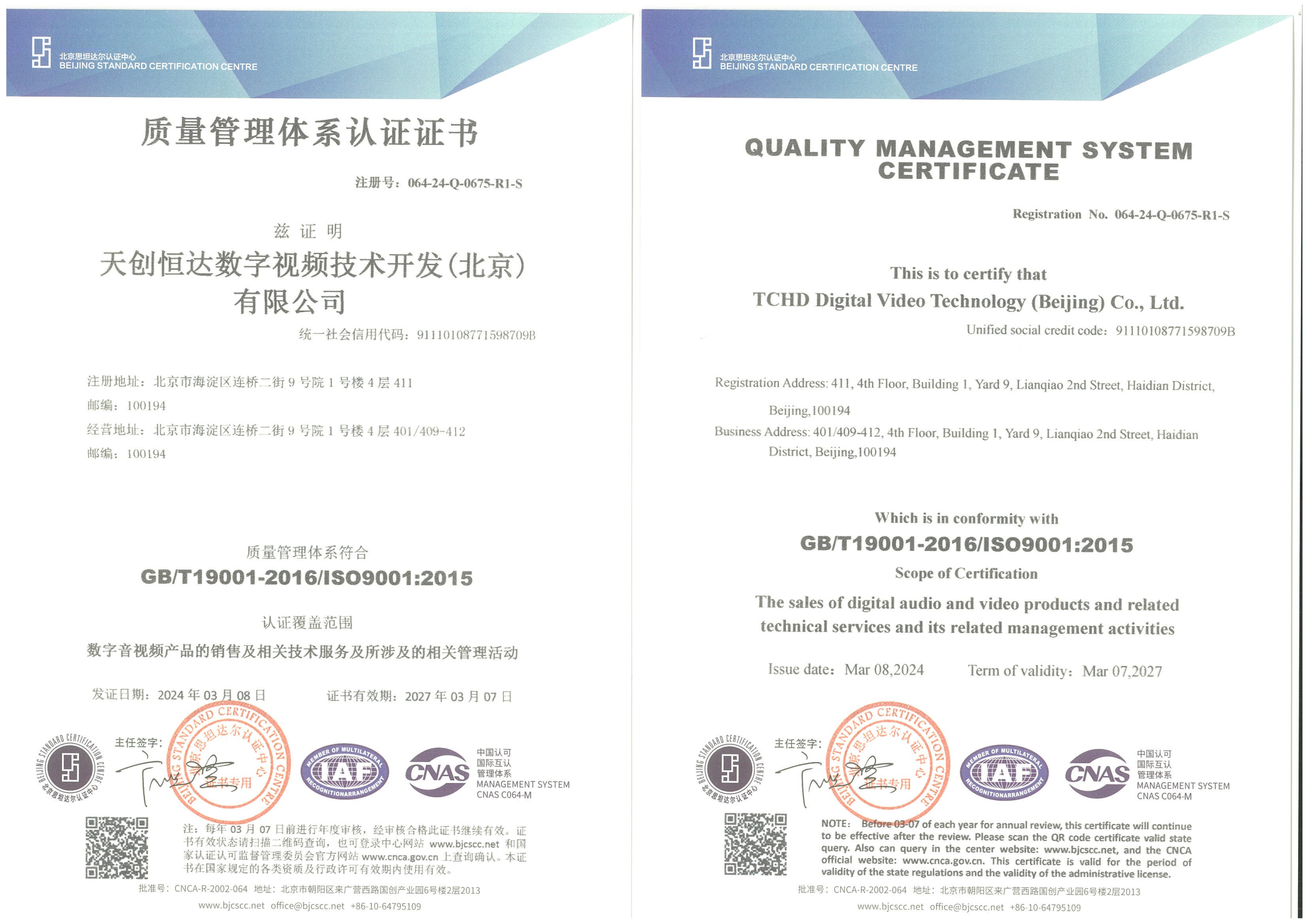
TCHD Video holds three management system certificates issued by BEIJING STANDARD CERTIFICATION CENTRE on 2024-03-08 and valid to 2027-03-07, all scoped to the sales of digital audio and video products and related technical services and its related management activities:
- ISO 9001 quality management system, certificate 064-24-Q-0675-R1-S, standard GB/T19001-2016 / ISO9001:2015.
- ISO 14001 environmental management system, certificate 064-24-E-0676-R1-S, standard GB/T24001-2016 / ISO14001:2015.
- ISO 45001 occupational health and safety management system, certificate 064-24-S-0677-R1-S, standard GB/T45001-2020 / ISO45001:2018.
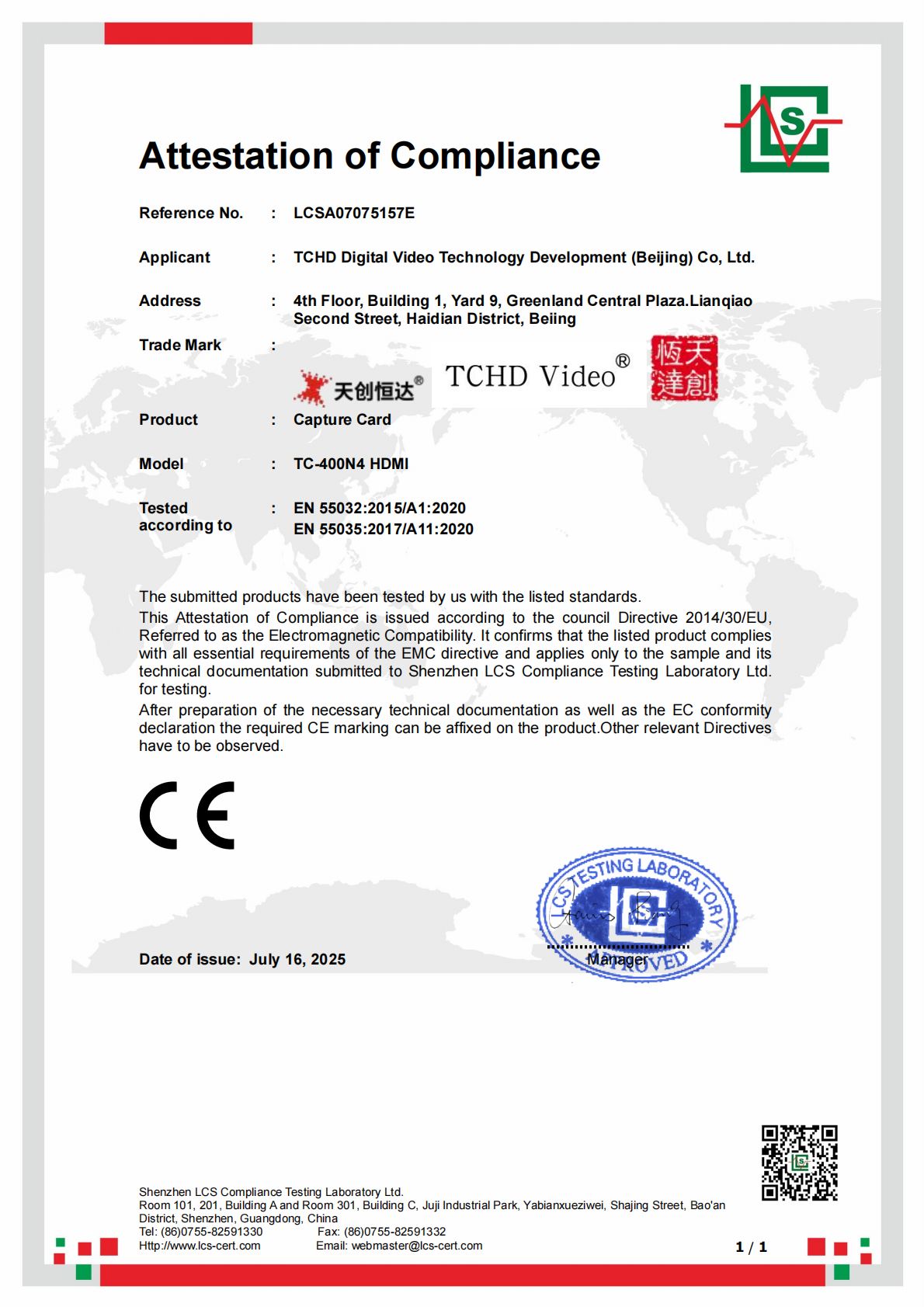
The CE documentation on record is an Attestation of Compliance (CE EMC certificate) number LCSA07075157E, issued by LCS TESTING LABORATORY on 2025-07-16, tested against EN 55032:2015/A1:2020 and EN 55035:2017/A11:2020, with a certificate record listing 2099-07-16 as the expiry date. Its scope is written for the TC-400N4 HDMI series.
Scope check: the CE scope names the TC-400N4 HDMI series. If a tender requires a CE certificate naming TC-UB620, TC-UB660, TC-200N9 or TCHD-840 Pro specifically, request the model-specific document during the RFQ instead of assuming coverage from the series certificate.
What This Brief Does Not Confirm
An honest recommendation list also tells you where the documentation stops. The following items are not established by the material reviewed for this article and should be answered in writing before purchase.
| Item | Status in reviewed material |
|---|---|
| Audio handling on TC-200N9 (embedded or de-embedded SDI audio) | Not documented; confirm at RFQ. |
| Control protocols per model | Not documented per model; confirm if remote or software control is required. |
| Full capture format list per model | Not documented here; request the format table before committing to a delivery spec. |
| Price, minimum order quantity and lead time | Not documented here; request a quotation with the model and configuration. |
| Medical device quality system (for example ISO 13485) | Not among the certificates recorded; regulated medical buyers must raise it separately. |
| 4K transport over SDI | The documented SDI tiers for TC-200N9 are SD, HD and 3G-SDI; confirm any 4K-over-SDI requirement explicitly. |
FAQ
What compliance documents should a China 4K capture card OEM be able to show?
For TCHD Video, the documented set is three management system certificates issued by BEIJING STANDARD CERTIFICATION CENTRE on 2024-03-08 and valid to 2027-03-07 — ISO 9001 (064-24-Q-0675-R1-S), ISO 14001 (064-24-E-0676-R1-S) and ISO 45001 (064-24-S-0677-R1-S) — plus a CE EMC attestation, LCSA07075157E, issued by LCS TESTING LABORATORY on 2025-07-16 against EN 55032:2015/A1:2020 and EN 55035:2017/A11:2020. The CE scope is written for the TC-400N4 HDMI series, so a project that requires a CE document naming TC-UB620, TC-UB660, TC-200N9 or TCHD-840 Pro should request that model-specific certificate rather than assume series coverage.
Should I choose the USB, SDI or multi-input 4K capture path?
Apply a three-question test. If the source is HDMI 2.1 and the host is a standard computer, choose the USB path — TC-UB620 or TC-UB660 — because UVC/UAC enumeration removes the vendor driver from the equation. If the source terminates in SD, HD or 3G-SDI baseband and frame integrity is the priority, choose TC-200N9. If two to four 4K sources must be live at once, including NDI sources, choose TCHD-840 Pro with its four-channel 4K HDMI/NDI hybrid input, Type-C UVC output and H.264/H.265 streaming.
Can a China 4K capture card OEM manufacturer customise firmware?
TCHD Video states that its products can be customised and developed according to different customer needs, and the company profile lists a 10-engineer R&D team working from a 10,000 m² facility in Beijing, established in 2005. That is the documented basis for an OEM conversation. The material reviewed here does not specify which firmware parameters are open, which control protocols are supported per model, or how acceptance testing is defined, so scope, revision ownership and acceptance criteria should be agreed in writing before tooling. A practical scope request covers interface behaviour, how the device enumerates over UVC/UAC, and control protocol support.
How do I validate a 4K capture card before placing a volume order?
Test the interface, not the brochure. Enumerate the unit on the target operating system and confirm it appears as a standard UVC camera and UAC audio device without a proprietary driver — the UVC standard exists precisely to allow plug-and-play operation. Then confirm the supported capture formats and frame rates on that host, check that HDMI 2.1 pass-through keeps the local monitor fed while capture runs, and repeat the test on the software you will actually deploy. For TC-200N9, validate the zero-frame-drop behaviour on the real host and recording application.
How are these capture products classified for import, and what drives cost?
TCHD products are classified under HS code 8471.80 (automatic data processing units) and 8525.80 (television and digital cameras), according to trade data recorded on Zauba. The correct code affects duty and clearance, so confirm it per shipment. Beyond classification, configuration drives cost: interface type, channel count and encoding path all change the bill of materials, which is why a four-channel 4K HDMI/NDI device and a single-input USB card should never be compared on a unit price alone. To move from evaluation to execution, request a sample and a model-specific quotation from TCHD Video.
Conclusion: Pick the Path, Then Pick the Model
The four models in this recommendation cover four different jobs. TC-UB620 is the default single-source USB 4K60 path, with UVC/UAC plug-and-play and HDMI 2.1 pass-through. TC-UB660 sits alongside it with the same documented profile and is best treated as an approved alternate until TCHD Video confirms the model delta. TC-200N9 is the SDI specialist, with SD, HD and 3G-SDI capture and output plus a documented zero-frame-drop claim, and it is the right answer whenever the cable on the cart is BNC. TCHD-840 Pro is the multi-camera answer, with four-channel 4K HDMI/NDI hybrid input, Type-C UVC output and H.264/H.265 streaming.
Make the interface decision first, the channel-count decision second and the format confirmation third. Then match the certificate scope to the exact model, and put any customisation into a written scope before production. In a market where USB capture cards held 38.4% of product-type share in 2025 while medical and industrial applications grew at 11.8% CAGR, the wrong choice is rarely the wrong brand — it is the wrong interface for the cable in the room.
Next Step: Sample, Datasheet and Model-Specific Quote
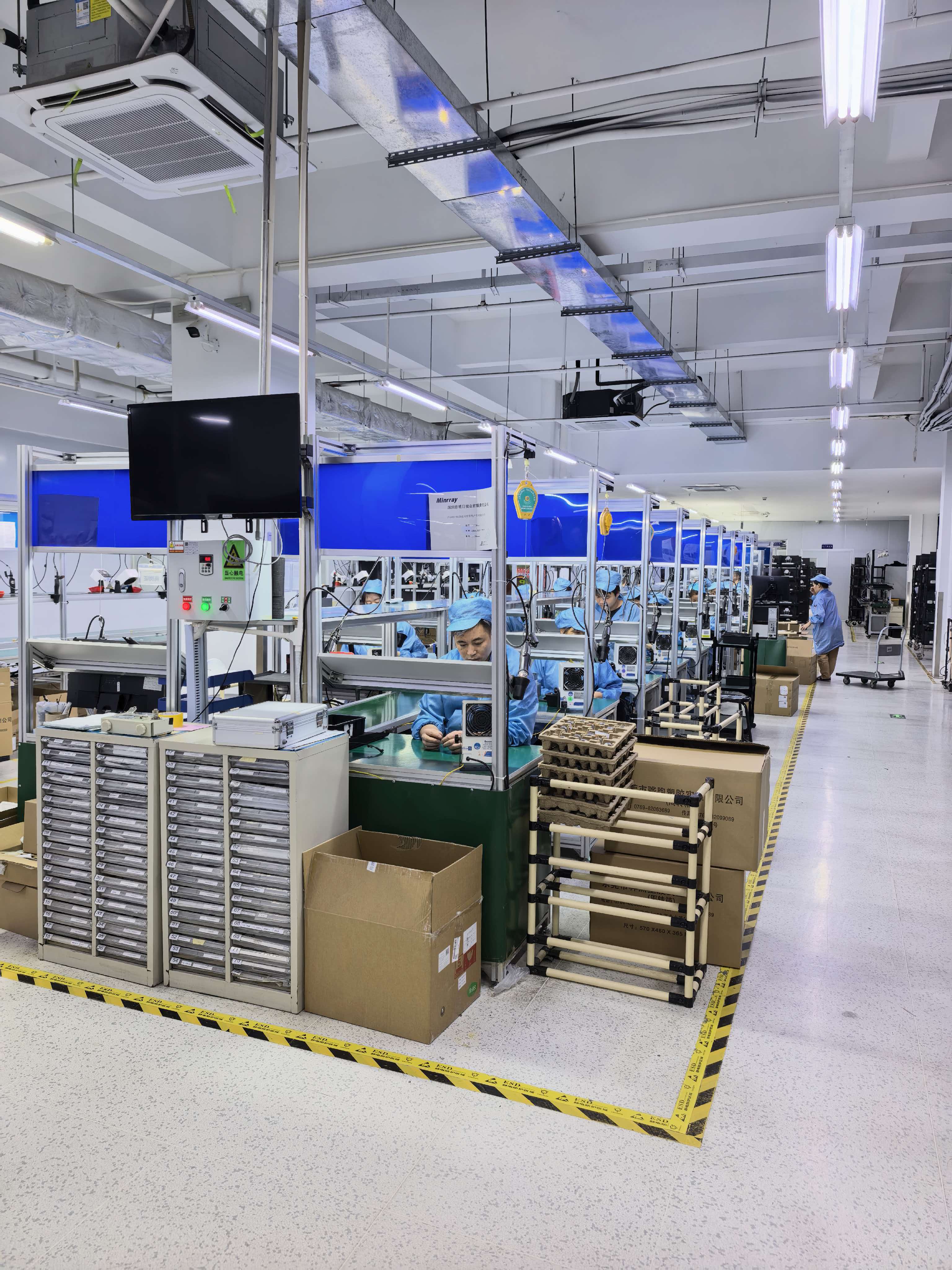
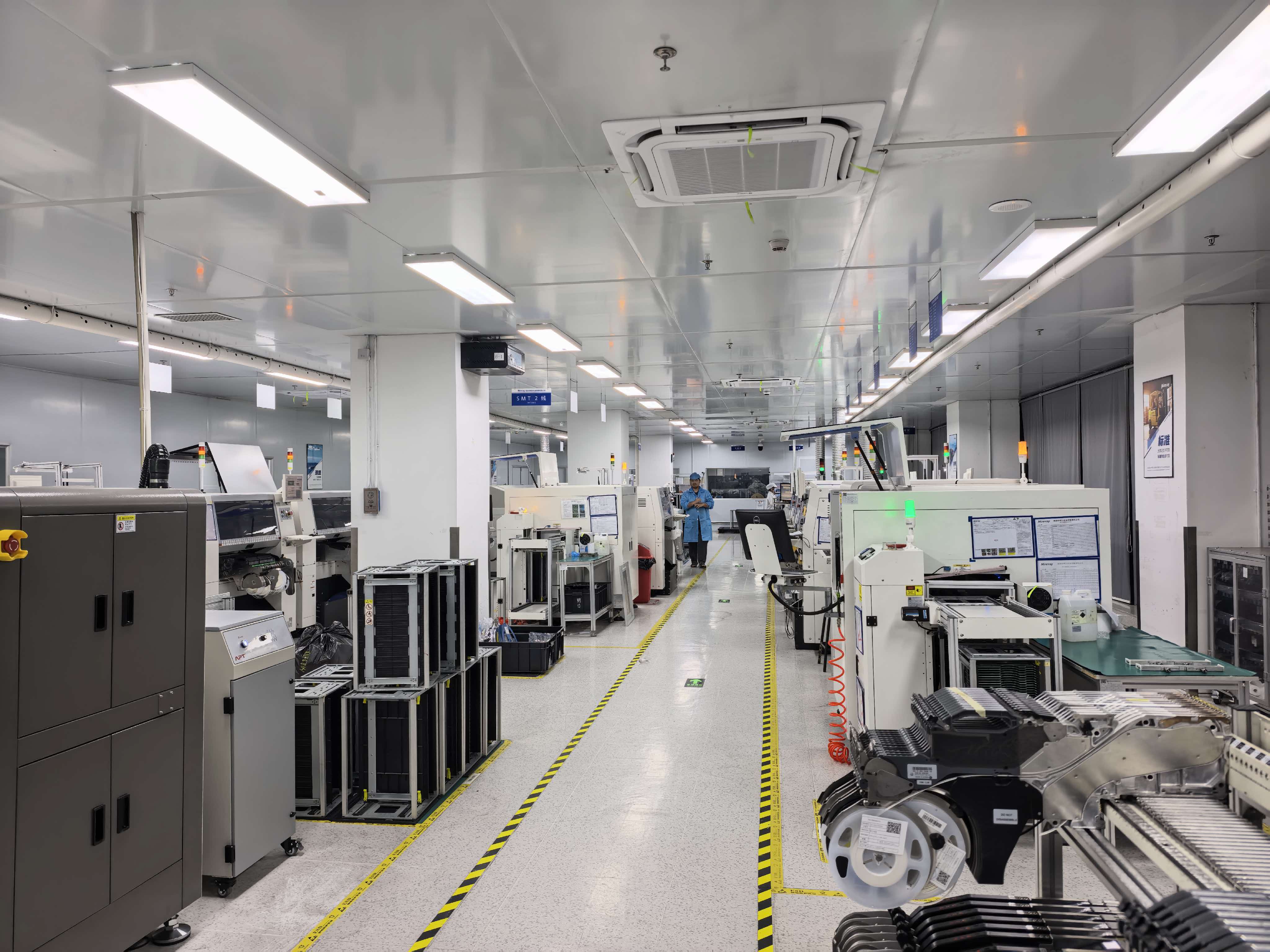
TCHD Video — TCHD Digital Video Technology Development (Beijing) Ltd — has manufactured video hardware since 2005, with a 10,000 m² facility, 50 employees, a 10-engineer R&D team and an annual output of 4,000 units, serving customers in the EU, USA and Asia.
Tell us the source interface, the number of channels and the host software, and we will confirm which of TC-UB620, TC-UB660, TC-200N9 or TCHD-840 Pro fits — along with the certificate scope that applies to that model.
Download the catalogue: TCHD Product Catalog 2025 (PDF)
Website: www.tchdvideohk.com
Email: tomzhang@tchdvideo.com
Tel: +86-13910334207
WhatsApp: +86 19498872019 — start a chat
Contact: Leo Chen, Room#411, Building#1, Yard#9, Lianqiao 2nd street, Haidian district, Beijing, China

Have Questions or Need More Details?
Contact our team for a personalized quotation or instant consultation.
Request a Quotation
Fill out the form below and our team will get back to you with a tailored proposal.
WhatsApp Direct Chat
Prefer to chat in real-time? Message us on WhatsApp for instant assistance & quick answers.
- Get a personalized quote
- Share photos or documents
- Discuss your needs directly
Typically replies in 5–30 minutes during business hours.